
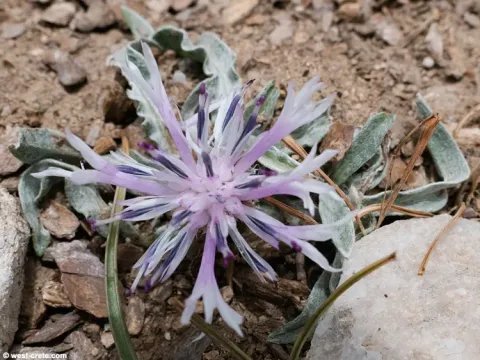
Baldacci cornflower
Cyanus baldaccii
Baldacci cornflower (Cyanus baldaccii) is a herbaceous plant species within the Asteraceae family. It is native to the mountainous regions of the Balkan Peninsula, exhibiting biological traits adapted to harsh, alpine environments.
What the section contains
Baldacci cornflower
This species requires well-drained, nutrient-poor, and stony soils to thrive. It is particularly well-suited for limestone-based substrates, which provide the alkaline environment that these plants naturally prefer in their endemic habitat.
High light exposure is essential for the healthy growth and flowering of Cyanus baldaccii. Being a heliophilous species, it requires an open site with minimal competition from other plants to reach its full decorative potential.
The plant is highly drought-tolerant, having evolved mechanisms to withstand the seasonal lack of precipitation common in high-altitude environments. It demonstrates significant resilience to extreme temperature drops, making it a robust perennial for specific gardening needs.
The primary use of Baldacci cornflower is in landscape design, particularly in rock gardens and Mediterranean-style landscaping. Its aesthetic value is recognized by enthusiasts who specialize in conserving rare and endemic plant species.
The main pathological threat to Baldacci cornflower is powdery mildew, which can significantly damage its foliage during periods of stagnant humidity. Proper airflow is critical to mitigating this risk.
Root rot represents a severe danger to the plant's survival. This condition typically arises when the soil is overly dense or when irrigation practices do not account for the plant's extreme intolerance to waterlogged root zones.
Pests such as aphids and spider mites are known to infest the plant, particularly during dry seasons. These insects concentrate on the developing buds and tender stems, which can severely reduce the overall vitality of the individual.
Gastropods, including snails and slugs, pose a threat to young seedlings and spring shoots. Protective measures such as stone mulching are highly recommended to deter these pests without the excessive use of chemicals.
Monitoring for signs of stress is an integral part of its agrotechnics. Regular inspection for chlorosis or irregular leaf spots helps in early identification of nutritional imbalances or early-stage infections before they become irreversible.