
Cymbonotus lawsonianus
Cymbonotus lawsonianus
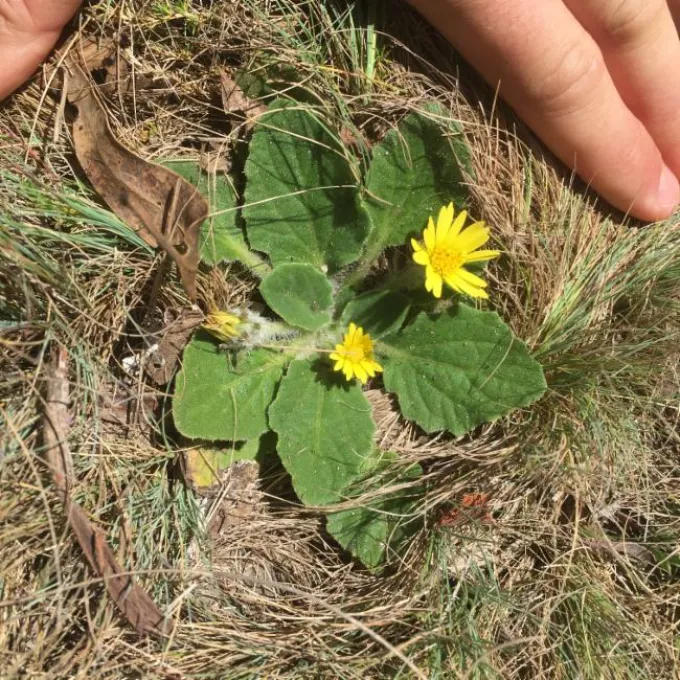
Description
Sowing dates
Cymbonotus lawsonianus is typically propagated via seeds sown during the early spring season once the frost risk has completely subsided.
The seeds require a well-draining, lightweight, and nutrient-rich soil medium to ensure successful germination and early stage development.
It is essential to sow seeds on the soil surface or cover them very lightly, as light exposure is a critical factor for the germination process.
Professional nurseries often utilize seedling trays to monitor the early development phase before hardening off the plants for outdoor conditions.
Consistent moisture levels during the germination phase, combined with temperatures ranging from 18 to 22 degrees Celsius, provide optimal conditions.
Growing requirements
As a member of the Asteraceae family, this species thrives in locations with abundant direct sunlight and high solar radiation throughout the day.
The plant demonstrates a strong preference for loam or sandy soil types that provide excellent aeration and facilitate healthy root respiration.
Environmental conditions should reflect moderate temperate zones, as the crop is sensitive to extreme fluctuations in humidity and temperature.
Good agricultural practice for this species includes regular weeding to prevent nutrient competition and ensure that air circulation remains optimal.
Irrigation should be managed carefully, as the plant is significantly more susceptible to damage from waterlogging than from periods of drought.
Main diseases and pests
Root and crown rot represent the most significant threats to the crop, often triggered by prolonged exposure to saturated soil conditions.
Pests such as aphids and spider mites may infest the foliage, particularly in confined environments where airflow is restricted or humidity is high.
Integrated pest management strategies, such as biological controls or targeted chemical applications, are recommended to minimize damage.
Preventative measures include maintaining clear planting rows and removing decaying organic matter that could harbor fungal pathogens.
Periodic monitoring for signs of discoloration or wilting allows for prompt intervention before widespread crop damage occurs in the field.