
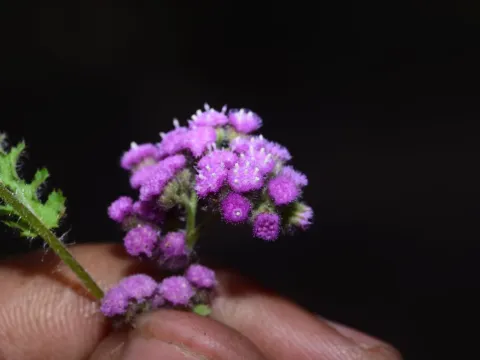
Cyathocline
Cyathocline
Cyathocline is a genus of annual herbs belonging to the Asteraceae family. These plants are native to tropical regions of Asia, specifically inhabiting wet habitats such as riverbanks, marshes, and periodically flooded lowlands in countries like India.
What the section contains

Cyathocline
The successful cultivation of this crop depends heavily on water management. It thrives in soils that maintain high moisture levels throughout the growing season. Proper drainage is still vital, as stagnant, anaerobic conditions can quickly inhibit root development.
Regarding climate, Cyathocline prefers warm and humid environments. It is highly sensitive to frost and extreme cold, requiring a stable thermal regime typical of tropical latitudes to achieve maximum vegetative growth and proper flower head formation.
Soil fertility is another crucial factor for this plant. Amending the soil with organic matter prior to sowing or transplanting significantly enhances the biomass yield. A balanced approach to nutrition, focusing on nitrogen during the early stages, is recommended.
- Requires consistent irrigation schedules.
- Prefers neutral to slightly acidic pH ranges.
- Needs full exposure to sunlight for optimal vigor.
- Vulnerable to rapid soil drying in containerized setups.
While primarily recognized in ethnobotanical studies for its traditional medicinal properties, Cyathocline also holds potential for specialized horticultural use. Its unique physiological traits make it an interesting subject for further agronomic research regarding its chemical profile.