
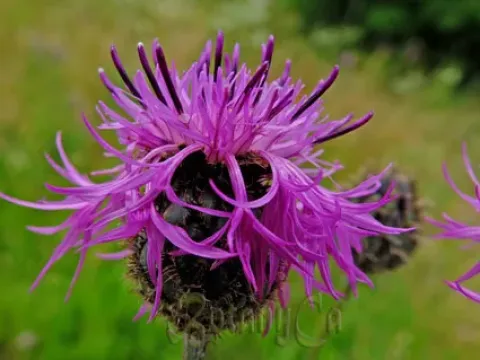
Cyanus pinnatifidus
Cyanus pinnatifidus
Cyanus pinnatifidus is a member of the Asteraceae family with specific ecological requirements. Sowing is typically performed in early spring once the soil temperature has reached a stable level, ensuring rapid germination.
What the section contains
Cyanus pinnatifidus
Field preparation requires deep plowing followed by secondary tillage to create a fine-textured seedbed. This structure is critical for achieving uniform seed contact with the soil and promoting early crop establishment.
Seeds should be sown at a shallow depth of 1 to 2 centimeters to maximize emergence rates. A row-spacing of approximately 45 centimeters allows for efficient mechanical weed control during the initial growth stages.
It is important to manage seeding density to prevent overcrowding, as this species requires adequate spacing to develop robust root systems and high-quality inflorescences.
Incorporating balanced fertilizers during the planting phase provides the necessary nutrients for initial growth, though caution must be exercised to avoid excessive nitrogen application.
The plant thrives in well-drained, fertile soils with a neutral pH level. Waterlogged conditions are detrimental to the root health of this species, requiring proper field drainage systems.
Cyanus pinnatifidus is a light-demanding plant and must be cultivated in open, full-sun locations. Reduced light levels often result in leggy plants and lower concentrations of active botanical compounds.
While the plant shows moderate drought tolerance, adequate moisture during the budding and flowering stages is essential for achieving commercial yield targets.
The optimal temperature range for growth is between 20 and 25 degrees Celsius. Sustained extreme heat or cold can impact the metabolic processes and the quality of the harvested biomass.
Rotation with cereal crops or leguminous plants is recommended to maintain soil fertility and break the cycle of potential soil-borne pathogens common to the Asteraceae family.
Pathogenic fungi, particularly those causing powdery mildew, can significantly affect the health of the plants, especially during periods of high humidity and poor air circulation.
Insect pests such as aphids and flower-feeding weevils pose a threat by damaging foliage and reproductive structures, necessitating proactive integrated pest management strategies.
Effective management includes regular field inspections, removal of diseased plant debris, and the application of selective biological pesticides when thresholds are reached.
Maintaining a clean field environment by eliminating surrounding weed hosts helps reduce the risk of secondary infections and pest infestations throughout the growing season.
- Implementing field-scale monitoring programs.
- Using certified disease-free seeds.
- Encouraging natural predator populations around field margins.
Harvesting should occur during the peak flowering phase to ensure the maximum concentration of desirable compounds in the flower heads. Timing is crucial for product quality.
The inflorescences are gathered during dry weather conditions, avoiding the presence of dew to prevent spoilage during the post-harvest storage and drying process.
Immediate post-harvest drying is required using well-ventilated facilities or specialized drying ovens at controlled temperatures not exceeding 40 degrees Celsius.
Post-drying sorting and cleaning are essential to remove contaminants and ensure the final product meets commercial standards for purity and physical integrity.
Final storage must occur in a cool, dry environment using breathable packaging materials to preserve the chemical composition and shelf-life of the harvested material.