
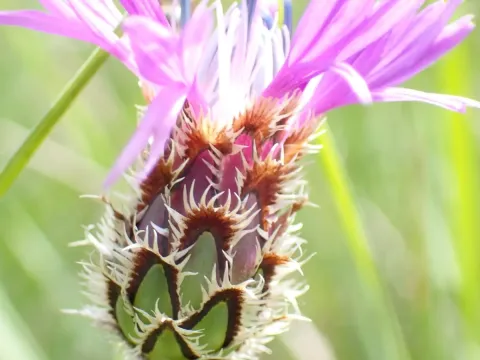
Cyanus lingulatus
Cyanus lingulatus
Cyanus lingulatus, a member of the Asteraceae family, is a perennial herb characterized by its distinct lingulate (tongue-shaped) florets. It is naturally distributed in the mountainous regions of the Caucasus, where it thrives in rocky, well-drained substrates.
What the section contains
Cyanus lingulatus
The plant grows as an erect herb with sturdy stems and typical lanceolate leaves. Its biological structure is optimized for survival in harsh conditions, with deep root systems capable of extracting moisture from deep within the soil profile during dry spells.
Cultivation requires full sun exposure and poor to moderately fertile, well-drained soil. It is essential to avoid sites prone to waterlogging, as the species is highly susceptible to root decay when exposed to excessive moisture for prolonged periods.
In terms of climatic preferences, the plant is hardy and adapted to significant fluctuations in temperature, making it suitable for regions with cool springs and warm summers. It requires minimal irrigation once established, relying primarily on natural precipitation.
The primary use of the plant is decorative, often integrated into xeriscaping or alpine garden designs. Furthermore, it serves as a significant pollinator plant, providing nectar for bees and other beneficial insects throughout the flowering season.
The most common disease affecting Cyanus lingulatus is root rot caused by stagnant water or soil pathogens. To prevent losses, growers should prioritize site selection that ensures optimal drainage and air circulation.
Powdery mildew may occur if planting density is too high, leading to reduced airflow around the foliage. Thinning out the plants and ensuring proper spacing between individuals are effective cultural control methods.
Pests such as aphids and spider mites can occasionally cause damage, especially under stressful environmental conditions. Frequent monitoring during the vegetative phase allows for early intervention using organic-based pesticides or horticultural soaps.
Soil-dwelling larvae, such as wireworms, can damage the crown of the plant. Maintaining clean fields by removing weeds and utilizing appropriate crop rotation cycles can help manage populations of these underground pests.
Integrated pest management strategies are advised for sustainable cultivation, focusing on fostering healthy soil biology and ensuring the plant has enough space to thrive without excessive competition from weeds or adjacent vegetation.