
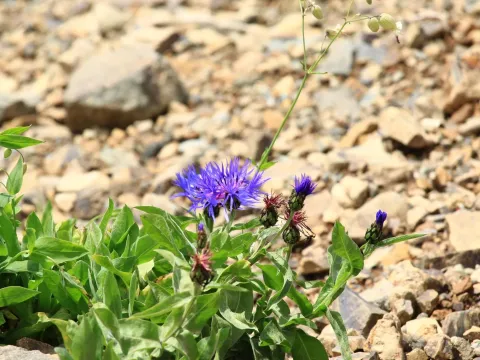
Cyanus nigrofimbrius
Cyanus nigrofimbrius
Cyanus nigrofimbrius is a species belonging to the Asteraceae family. Known for its distinct appearance, it is often cultivated as a specialized crop in controlled agricultural or horticultural settings.
What the section contains
Cyanus nigrofimbrius
Sowing should be performed in early spring once the soil temperature is consistently above +8 degrees Celsius. Direct drilling into prepared seedbeds allows for natural establishment of the plant's taproot system.
Row spacing is vital for the health of the crop. A spacing of 25–30 centimeters ensures that each plant receives enough air circulation, which reduces the incidence of fungal pathogens later in the season.
Seeds are sown shallowly, ideally at a depth of one centimeter. The soil must be pressed firmly over the seeds to ensure efficient capillary water uptake, which is essential for uniform germination.
For large-scale cultivation, modern precision seeders can be used, provided that the soil is sufficiently fine-textured and free of large debris that could interfere with depth control.
The plant thrives in well-drained, fertile soils with a neutral pH. While it is adaptable to different soil types, heavy clay should be avoided as it hinders root penetration and promotes waterlogging.
Full sun is a strict requirement for Cyanus nigrofimbrius. Insufficient light levels will lead to etiolated, weak stems that are prone to lodging, severely impacting the harvest quality.
Water requirements are moderate. During the seedling stage, consistent moisture is necessary, but as the plants mature, they exhibit high drought tolerance, which is a major benefit in arid cultivation zones.
Nutrient management focuses on balanced N-P-K ratios. An excess of nitrogen should be avoided at all costs, as it leads to excessive leaf growth and significantly weakens the resistance to pests.
Regular cultivation of the topsoil is recommended to keep the surface crust broken. This practice promotes oxygen exchange in the root zone and helps manage weed pressure without excessive herbicide use.
Fungal diseases such as powdery mildew and various leaf spots are the primary threats during high-humidity periods. Proper spacing and airflow are the best preventative measures against these issues.
Insect pests, including aphids and thrips, can cause significant damage to the floral structures. Monitoring the plants during the bud formation stage is crucial for early detection and intervention.
Weed competition is most critical in the first four weeks of the plant's life. Mechanical hoeing or manual weeding is recommended until the crop canopy closes and begins to suppress weed growth naturally.
Crop rotation remains the gold standard for long-term health. Following a nitrogen-fixing crop or a grain cycle can help reset the soil pathogen load and provide a better start for the next sowing.
Integrated pest management (IPM) strategies, including the use of pheromone traps and beneficial insects, are highly recommended to maintain the ecological balance of the production site.