
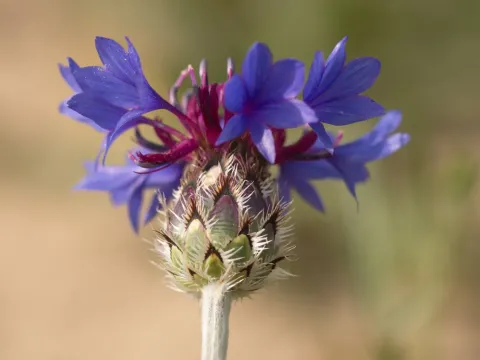
Cyanus depressus
Cyanus depressus
Cyanus depressus is an annual flowering plant belonging to the Asteraceae family, well-regarded for its resilience and adaptability in various growing conditions.
What the section contains
Cyanus depressus
Sowing should take place in early spring once the soil temperature consistently reaches 8–10 degrees Celsius to ensure successful germination and early establishment.
Seeds are sown at a shallow depth of 1 to 2 centimeters to provide the necessary conditions for optimal light exposure during the initial growth phase.
Proper spacing between rows, typically around 30 to 45 centimeters, is essential to minimize plant competition and allow for easier mechanical or manual weeding.
Winter sowing is a viable option in milder climates, allowing for earlier blooming cycles and stronger root development before the heat of the summer months.
The plant thrives in full sun, requiring exposure to direct light for several hours a day to prevent legginess and promote vibrant flower production throughout the season.
It prefers well-drained, fertile soils with a neutral pH, though it can tolerate a range of soil textures provided there is no risk of waterlogging in the root zone.
While Cyanus depressus is drought-tolerant once established, supplemental irrigation during the budding phase significantly improves bloom quality and overall plant vigor.
Soil nutrient management should focus on balanced phosphorus and potassium levels, which support strong stem growth and high-quality floral development.
Field selection is critical, as good air circulation is necessary to reduce the risk of fungal infections caused by high humidity or trapped moisture.
The yield of Cyanus depressus is measured by both total biomass production and the quantity of high-quality seeds collected for future agricultural use.
In commercial cut-flower production, the number of flower stems per plant is the primary metric, which can be maximized through careful thinning and adequate spacing.
Seed harvesting should be timed carefully to coincide with full maturity, preventing losses due to shattering while ensuring the seeds are fully developed.
Proper harvest techniques, combined with post-harvest drying, lead to high seed viability and better performance in subsequent growing seasons.
Yield stability is maintained by implementing a strict crop rotation schedule, which helps manage soil fertility and reduces the pressure from site-specific pathogens.
Common agricultural threats include fungal diseases such as powdery mildew and Fusarium wilt, often triggered by poor ventilation or excessively damp soil conditions.
Pests such as aphids can cause significant damage by feeding on succulent plant tissues, leading to stunted growth and reduced flower quality if left untreated.
Management of these threats relies on preventative measures such as maintaining proper plant spacing and removing weeds that may harbor pests or disease spores.
In cases of severe infestation, integrated pest management practices should be employed, prioritizing eco-friendly insecticides that do not harm beneficial pollinators.
Monitoring the fields for signs of stress or pest colonization during the vegetative growth phase is essential for timely intervention and crop protection.
Harvesting for seed production is best done during dry weather to ensure seeds have low moisture content, which is vital for preventing rot in storage.
For cut-flower purposes, harvesting should occur when the flower buds are just beginning to open to ensure maximum vase life for the final product.
Cleaned seeds should be stored in cool, dry conditions with adequate aeration to maintain high germination rates for up to several years if kept properly.
Mechanical harvesting equipment should be adjusted for small seeds to minimize loss and ensure the collected material is free from excessive chaff or debris.
Regular harvesting of flowers throughout the blooming season can encourage the plant to produce more secondary buds, extending the overall harvest window.