
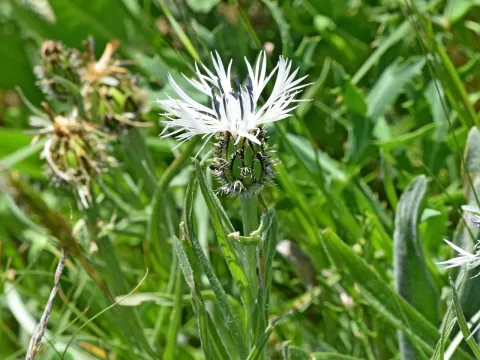
Cyanus napulifer
Cyanus napulifer
Cyanus napulifer belongs to the Asteraceae family. This rare herbaceous plant is native primarily to the mountainous regions of the Caucasus and adjacent territories, where it grows in specialized ecological niches.
What the section contains
Cyanus napulifer
The culture is characterized by its significant adaptation to rocky and nutrient-poor soils. In agricultural practice, it is highly valued for its extreme drought resistance and ability to thrive in highland environments with limited water availability.
Successful cultivation requires selecting well-lit areas, as the species is highly sensitive to shading. Ideal conditions include well-drained soils with a neutral to slightly alkaline pH, which mirrors the environment of its natural habitat.
The plant possesses a specialized root system capable of storing nutrients, allowing it to survive prolonged dry spells. From an agronomic perspective, it is crucial to prevent waterlogging and soil moisture stagnation to avoid collar rot.
A moderate temperature regime is preferred. Cyanus napulifer exhibits robust winter hardiness typical of alpine species, although in lowland cultivation, it requires protection against moisture accumulation during the early spring thawing period.
The primary threats to this crop include fungal infections, which develop when soil moisture levels are not properly managed. Root rot is particularly destructive when water accumulates around the base of the plant.
Among pests, leaf-chewing insects and aphids pose the greatest threat, as they can rapidly colonize the plant during hot and dry spells. Integrated pest management and the use of bio-rational control agents are recommended to maintain plant health.