
Croptilon divaricatum
Croptilon divaricatum
Description
Growing requirements
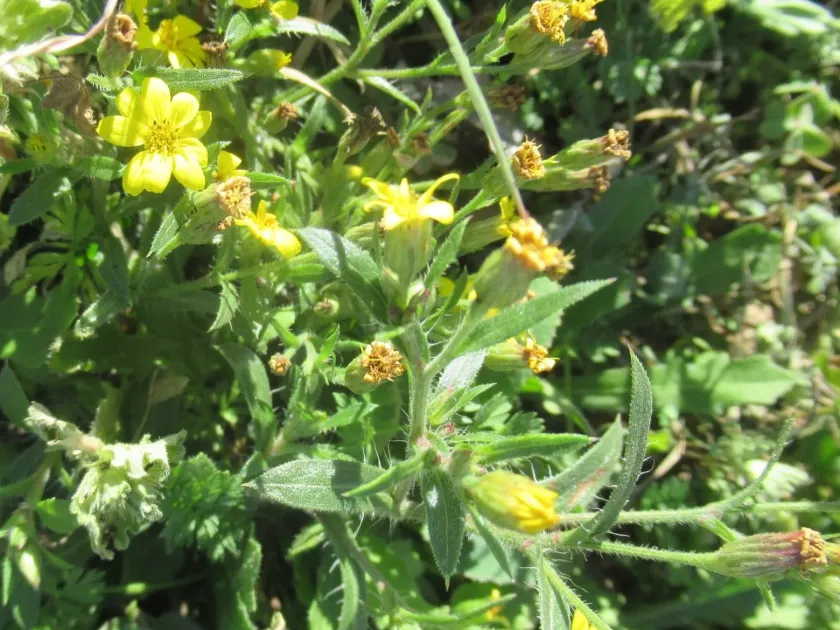
Croptilon divaricatum, commonly known as the common scratch-daisy, is an annual herbaceous plant belonging to the Asteraceae family. It is recognized for its robust growth habit and adaptability to arid environments.
The native range of this species is centered in the Southeastern United States. It naturally thrives in diverse habitats, including sandy soils, prairie remnants, and disturbed areas where competition from other vegetation is low.
Regarding cultivation requirements, the plant excels in full sun exposure. It is highly resistant to drought, as its deep taproot system allows it to access moisture even in impoverished and dry soil profiles.
The morphology of the plant includes a branched stem and small, daisy-like flower heads that appear in late summer. Its leaves are often serrated and provide a distinctive appearance to the foliage.
Soil drainage is perhaps the most significant factor for successful establishment. It does not tolerate waterlogged conditions, preferring well-aerated substrates that prevent the development of root diseases.
Main diseases and pests
The primary threats to Croptilon divaricatum are associated with fungal infections triggered by excessive soil moisture. Root rot is a common issue when the plant is grown in poorly draining, heavy clay soils.
Pest pressure often comes from aphids and other sucking insects that feed on the soft terminal growth. Early detection is essential to maintain the structural integrity and aesthetic value of the plant.
Weed management is critical during the seedling stage. Due to its slow initial growth compared to some aggressive grasses, mechanical weeding or mulching is recommended to ensure the plant establishes properly.
Powdery mildew may occur in stagnant, humid environments. Providing adequate air circulation between plants is the most effective cultural practice to mitigate the risk of foliage diseases.
Integrated pest management strategies focusing on monitoring and biological control are preferred over heavy chemical applications to preserve the health and long-term viability of the crop population.