
Croptilon hookerianum
Croptilon hookerianum
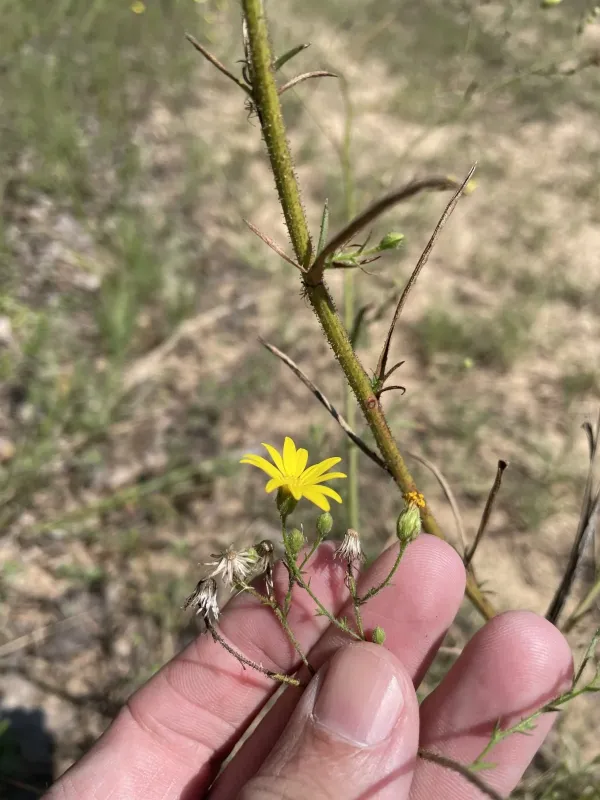
Description
Sowing dates
The sowing of Croptilon hookerianum is typically conducted in the spring season when soil temperatures reach 12–15 degrees Celsius. To achieve uniform germination, the seeds require preliminary cold stratification or soaking in growth stimulants.
The sowing depth in open soil should not exceed 1–2 centimeters, due to the small size of the seeds. Seedlings usually emerge within 14–20 days provided that moisture levels in the substrate are kept consistently stable.
It is possible to grow the crop using the seedling method in greenhouses, followed by transplanting into the field at the stage of 3–4 true leaves. The seedlings tolerate transplanting well, which allows for better control over the start of the vegetation period.
The sowing layout should consider the habitus of adult plants; generally, a spacing of 30–40 centimeters between rows is recommended. Sowing density is adjusted based on the intended use: higher density for decorative borders and lower for seed production.
The optimal time for winter sowing is late autumn, just before the onset of permanent frost, which allows the seeds to undergo natural cold stratification in the field.
Growing requirements
Croptilon hookerianum belongs to the Asteraceae family and is a drought-tolerant plant adapted to sunny, open habitats. It prefers light, well-drained sandy or loamy soils with a neutral acidity level.
The culture is highly sensitive to waterlogging in the root zone; therefore, choosing low-lying areas for cultivation should be avoided at all costs. It thrives on poor soils where other crops might struggle due to nutrient deficiencies.
In its native range, the plant is adapted to hot climates and high solar radiation. It features a well-developed taproot system, which enables it to extract moisture from deeper soil horizons.
The core of its agrotechnology involves keeping the field weed-free during the early stages of development. Due to its vigorous growth, the crop effectively suppresses weed competition once it is established.
This species is a promising candidate for cultivation in arid regions where the goal is to minimize irrigation costs and the reliance on heavy applications of synthetic fertilizers.
Main diseases and pests
The main threats to Croptilon hookerianum include various fungal pathogens that thrive in high humidity and poor ventilation. Proper spacing and site selection are critical to minimize these risks.
Root rot caused by stagnant water is the primary physiological threat to the plants. Implementing effective drainage systems is essential to ensure the longevity of the stand.
Occasional infestations by sap-sucking insects may occur during the peak of the growing season. Integrated pest management practices, such as encouraging beneficial predatory insects, are recommended over chemical controls.
In cases of severe outbreaks, selective organic fungicides may be applied, though the species is generally resilient enough to recover with minor damage. Monitoring fields for early signs of chlorosis is advised.
Maintaining crop rotation prevents the buildup of soil-borne diseases. Avoiding the planting of other Asteraceae species in the same field sequentially will help sustain soil health and productivity.
Harvesting
Harvesting the seeds of Croptilon hookerianum begins in late summer when the flower heads develop a characteristic brownish hue. It is crucial to collect the material before the baskets crack and scatter seeds.
The harvest should be conducted during dry, sunny weather to prevent the collected material from developing mold or fungal contamination. Commercial operations utilize mechanized mowing followed by processing on stationary threshers.
Once harvested, the seeds must be cleaned of chaff and plant debris using winnowing techniques. Proper storage in paper bags or cloth sacks in low-humidity environments is necessary to maintain seed viability.
If the cultivation objective is decorative cut flowers, the stems are harvested when the buds are fully opened. The stalks possess sufficient structural strength to remain fresh in vases for an extended period.
To preserve genetic purity, regular roguing of off-type individuals in seed production plots should be performed before the start of mass flowering to prevent unwanted cross-pollination.