
Crupina crupinastrum
Crupina crupinastrum
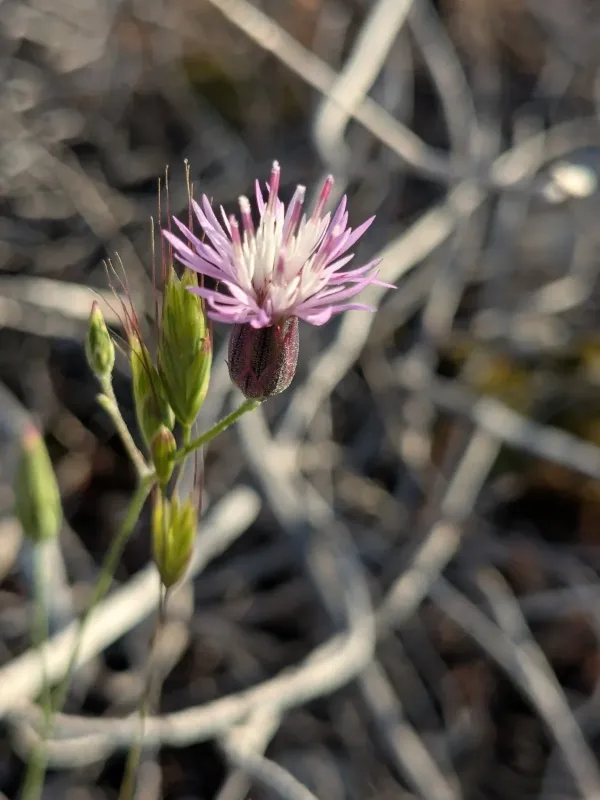
Description
Sowing dates
Crupina crupinastrum is primarily a winter annual plant. Seed germination typically begins in late autumn, triggered by moisture and cooler temperatures. This timing allows the plant to establish a robust rosette before the onset of deep winter frosts.
In spring, growth resumes immediately, giving the weed a competitive advantage over many spring-sown crops. The plant rapidly enters the bolting stage, utilizing available nitrogen and soil moisture at a high rate.
Proper field preparation involves shallow tillage in early autumn to encourage germination, followed by secondary tillage or herbicide application to eliminate the seedlings before the crop is sown.
Harvest timing of the main crop is crucial if the field is infested. If the weed reaches maturity and sheds seeds, the soil bank will be replenished, ensuring the weed returns in subsequent seasons.
Effective crop rotation is essential. Including competitive cover crops or crops with dense leaf canopies helps suppress Crupina populations by limiting the amount of sunlight reaching the soil surface.
Growing requirements
This weed thrives in open, sunny environments. It is highly adaptable to various soil types, ranging from nutrient-poor calcareous soils to more fertile agricultural loams, making it a widespread pest.
Water availability is the main factor governing its geographic distribution. While it can withstand moderate drought conditions once established, it requires sufficient moisture during the autumn germination phase.
Temperature tolerance is one of its key biological features. It withstands significant cold during the winter rosette phase, which is a major advantage for its survival in temperate climates.
Soil aeration is preferred, though it often colonizes abandoned lands or neglected pastures. Good soil management practices, including maintaining proper pH levels, can hinder its aggressive spread.
Frequent monitoring of field edges and buffer zones is recommended. Crupina crupinastrum is known to spread rapidly through seed movement by agricultural machinery or wind, necessitating vigilant weed management.
Main diseases and pests
The primary threat posed by this species is severe resource competition. It consumes large quantities of water and nutrients, which results in significant yield losses in cereal crops like wheat and barley.
Crupina crupinastrum acts as a host for various agricultural pests. It serves as an early-season food source for insects that later migrate to crop fields, complicating pest management schedules.
Plant diseases also find a refuge on this weed. Fungal pathogens that affect cereal crops often overwinter on Crupina stems, leading to early infection cycles in the spring that are difficult to eradicate.
Livestock safety is another consideration. While not highly toxic, the fibrous nature of the plant can cause mechanical damage or digestive distress in grazing animals if present in high densities in pastures.
Chemical control remains the most effective tool in large-scale agriculture. Herbicides targeting dicotyledonous weeds applied at the early rosette stage provide the best suppression of the population.