
Crepidiastrum platyphyllum
Crepidiastrum platyphyllum
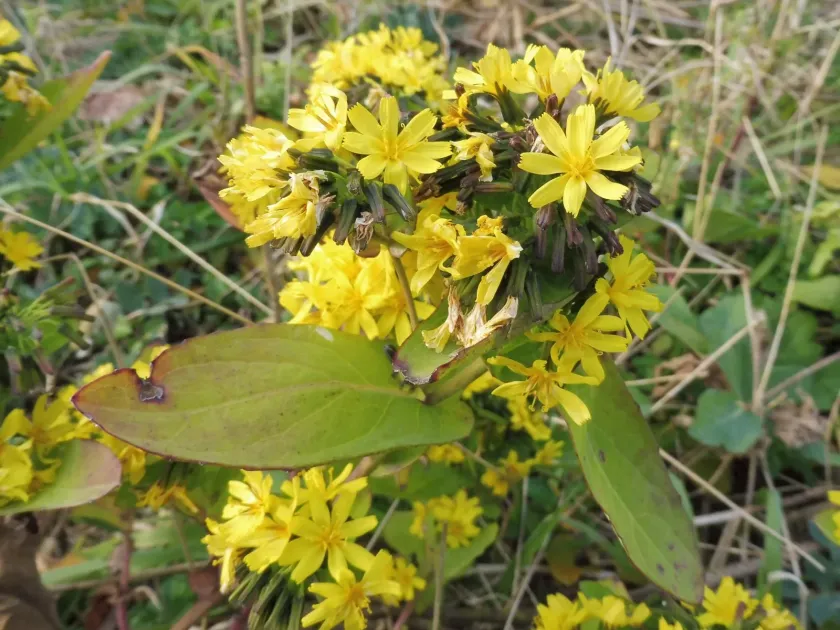
Description
Sowing dates
Sowing Crepidiastrum platyphyllum is typically carried out in spring once the threat of frost has passed and soil temperatures reach 15 degrees Celsius.
Seeds should be sown at a shallow depth of approximately 0.5 to 1 centimeter, as they require light to germinate effectively and uniformly.
Row spacing should be maintained at 25 centimeters to allow each plant sufficient room for the development of its leaf rosette.
Thinning out seedlings is a necessary step once the first true leaves appear to prevent competition for light and nutrients among young plants.
In regions with milder climates, staggered sowing throughout the season ensures a continuous supply of fresh leaves for various uses.
Growing requirements
This crop, belonging to the Asteraceae family, performs best in fertile, well-draining loamy soils with a neutral pH balance.
It is a light-demanding plant, and therefore, it should be grown in open, sunny locations to ensure vigorous growth and high-quality foliage.
Adequate soil moisture is essential; however, waterlogging should be avoided as it can cause root rot and compromise plant health significantly.
The application of compost or organic fertilizers during soil preparation provides the plant with the necessary nutrients for its rapid development.
Protection from strong winds is recommended to prevent mechanical damage to the delicate, broad leaves characteristic of this specific species.
Yield
The yield of Crepidiastrum platyphyllum is largely dependent on consistent irrigation and the availability of nitrogen-rich nutrients.
By implementing proper fertilization regimes, growers can significantly increase the total biomass of leaves produced within a single season.
Harvesting strategies, such as selectively removing outer leaves, can extend the production period and improve the cumulative yield per plant.
Proper weed management is crucial for maximizing yield, as weeds often outcompete the crop for space and essential environmental resources.
The productivity of the crop is stabilized by maintaining optimal spacing, which prevents the plants from becoming stunted or crowded.
Main diseases and pests
Slugs and snails are the primary pests of this crop, especially during rainy weather, as they thrive on the juicy, succulent leaves provided.
Aphids may also pose a threat during warmer months, potentially curling the leaves and reducing the overall market value of the harvest.
Fungal diseases like powdery mildew can appear in poorly ventilated planting conditions or areas with high relative humidity levels.
Crop rotation practices should be strictly followed to minimize the accumulation of soil-borne pathogens and pest pressure over the years.
- Early pest detection
- Improvement of air circulation
- Regular monitoring of foliage
- Usage of mild biopesticides
Harvesting
Harvesting should occur early in the morning when the leaves are fully turgid and contain the highest water content for better shelf life.
Leaves are typically harvested by cutting the base of the rosette or by picking individual leaves as they reach their mature size.
Post-harvest handling requires quick cooling to minimize moisture loss and preserve the freshness of the product for longer periods.
The leaves should be packed in breathable materials if stored in a refrigerator to avoid condensation and subsequent rapid decay.
For those interested in seed production, the most robust plants should be kept until maturity, avoiding any harvesting from these specimens.