
Crepidiastrum sonchifolium
Crepidiastrum sonchifolium
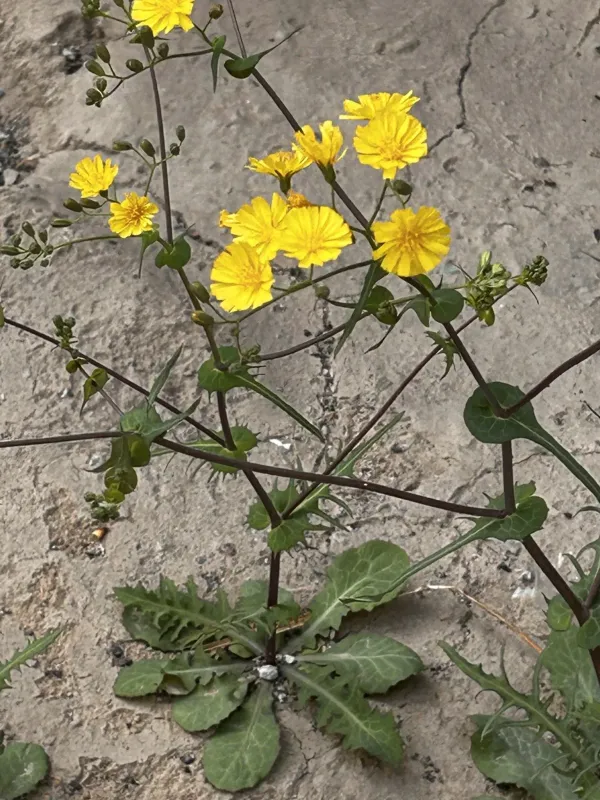
Description
Sowing dates
Crepidiastrum sonchifolium is a member of the Asteraceae family, valued as a nutritious leafy vegetable in various regional cuisines.
Sowing typically begins in early spring, once the soil has warmed up and the risk of harsh frosts has effectively passed.
Seeds should be sown in shallow rows, barely covered with fine soil, to ensure successful germination and emergence of the seedlings.
Proper spacing between rows, typically around 30 to 40 centimeters, is essential to facilitate air circulation and ease of maintenance.
Succession planting every three weeks is recommended to ensure a continuous supply of fresh, tender leaves throughout the growing season.
Growing requirements
The crop thrives in sunny locations with well-drained, fertile soil that is rich in organic matter and maintains consistent moisture levels.
Regular irrigation is vital, as the plant is sensitive to drought, which can lead to early bolting and bitter-tasting leaves.
The optimal temperature range for development is between 15 and 22 degrees Celsius, as excessive heat triggers premature flowering.
Weed control is a critical part of crop management, as competing vegetation can severely limit the growth of this leafy vegetable.
Soil pH should ideally be neutral or slightly acidic, which supports optimal nutrient uptake and vigorous overall plant development.
Yield
The crop is highly regarded for its edible leaves, which are used fresh in salads or cooked as a traditional vegetable side dish.
With proper management, growers can expect a high yield of leafy greens that are packed with essential vitamins and dietary fiber.
The commercial potential of the plant is significant in markets that specialize in unique, nutrient-dense leafy greens and salad crops.
Continuous harvesting of individual outer leaves allows the plant to keep producing new growth, thereby extending the total production cycle.
Post-harvest, the leaves are valued for their texture and unique flavor profile, making them a premium choice for healthy culinary applications.
Main diseases and pests
Common pests include aphids and various caterpillars that can quickly defoliate plants if not monitored and treated promptly.
Fungal diseases like downy mildew may appear during periods of high humidity or poor ventilation between densely planted rows.
Root rot can occur in poorly drained soil, emphasizing the importance of site selection and careful management of irrigation practices.
Integrated pest management, including the use of biological controls, is highly recommended to protect the crop during the harvest stage.
Proactive monitoring of fields allows for early detection of issues, preventing significant crop loss and maintaining high product quality.
Harvesting
Harvesting is usually done by hand, carefully removing mature leaves while keeping the central part of the plant intact for regrowth.
The best time for gathering is early morning when the leaves are fully hydrated and possess the best crispness and market quality.
Immediately after harvest, it is important to pre-cool the produce to maintain its freshness and shelf life during transit to the market.
Storage should occur at low temperatures, around 1 to 3 degrees Celsius, to prevent wilting and degradation of the leaf tissue.
Efficiency during harvesting is key, as fresh leaves are delicate and can lose their visual appeal if handled roughly or kept too warm.