
Crepidiastrum chelidoniifolium
Crepidiastrum chelidoniifolium
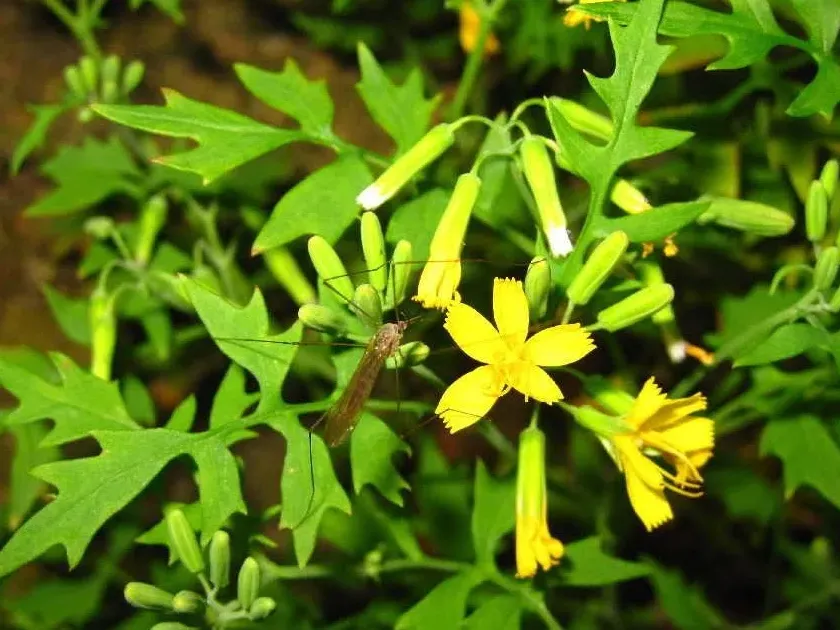
Description
Sowing dates
Crepidiastrum chelidoniifolium is typically sown in early spring as soon as the soil is workable, ensuring the seeds are placed in a well-prepared seedbed.
For colder climates, starting the seeds indoors in trays 4–6 weeks before the last frost is highly recommended to extend the harvesting season.
Seeds should be sown shallowly, as they are very small and require light for optimal germination, covering them with a very thin layer of soil.
Row spacing should be maintained at approximately 30 to 40 centimeters to allow for adequate air circulation, which helps in preventing fungal diseases.
Regular thinning of seedlings is necessary to ensure each plant has enough space to develop a robust leaf rosette, improving overall yield quality.
Growing requirements
This crop belongs to the Asteraceae family and thrives in cool, moist conditions with partial shade, which mimics its natural forest-edge habitat.
Soil should be rich in organic matter, slightly acidic to neutral, and have excellent drainage to prevent root issues during prolonged wet weather.
Consistent moisture is vital for the development of tender leaves; drought stress will cause the plants to bolt prematurely, ruining the harvest.
The ideal growing temperature ranges from 15 to 20 degrees Celsius, making it a perfect candidate for cool-season cultivation in many regions.
Applying organic mulch around the base of the plants can help retain soil moisture and regulate soil temperature during sudden fluctuations.
Main diseases and pests
The most common disease affecting this crop is powdery mildew, particularly when humidity levels are high and air circulation is restricted.
Pests such as aphids and slugs are major threats, often targeting young, succulent leaves and potentially destroying the crop in early growth stages.
Root rot is a significant concern if the soil remains waterlogged; therefore, proper drainage systems are essential for successful field production.
Integrated pest management strategies, such as biological controls and physical barriers, are the most effective ways to manage threats safely.
Regular field scouting is recommended to identify early signs of infestation and prevent large-scale outbreaks before they impact yield significantly.
Harvesting
Harvesting usually commences about 50 to 60 days after sowing, once the plant has formed a substantial, lush rosette of edible green leaves.
Leaves should be harvested by cutting the outer parts of the rosette, allowing the inner leaves to continue growing for subsequent harvests.
It is best to harvest during the cool early morning hours to maintain the crisp texture and minimize moisture loss from the leaves after picking.
After harvesting, the leaves should be processed promptly, washed if necessary, and stored in a cold environment to ensure a long shelf life.
With proper care and adequate nutrition, a single planting can provide multiple cuts throughout the season, maximizing the productivity of the crop.