
Crepis bellidifolia
Crepis bellidifolia
Description
Growing requirements
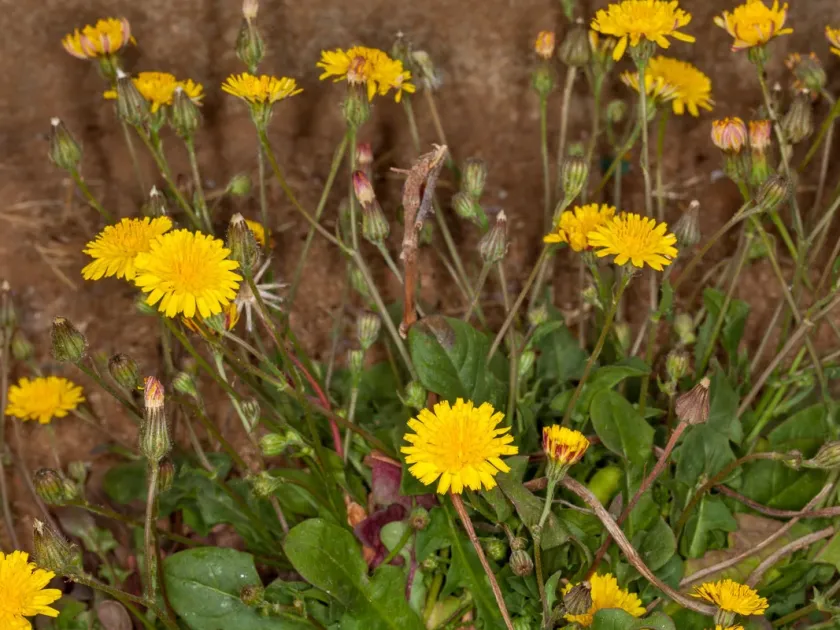
Crepis bellidifolia, commonly known as the daisy-leaved hawk's beard, is a herbaceous flowering plant within the Asteraceae family. It is distinguished by its unique foliage pattern and adaptation to specific Mediterranean ecological niches.
The plant thrives in climates characterized by warm, sunny conditions and moderate annual precipitation. It displays high resilience to drought due to its deep taproot system, which accesses moisture in deeper soil horizons during the dry summer season.
Regarding soil requirements, this species prefers well-aerated, sandy-loam structures with a slightly alkaline or neutral pH level. Proper site selection is vital, as the plant cannot tolerate waterlogged soils, which frequently lead to root decay.
Cultivation practices involve maintaining adequate spacing between individual plants to prevent competition for light and soil minerals. The crop responds well to organic fertilization regimes that promote balanced development during the vegetative growth phase.
The agricultural usage of Crepis bellidifolia is often tied to its potential as a component in diverse fodder mixes. It serves as an interesting subject for ecological research, particularly regarding its adaptability to changing climate scenarios.
Main diseases and pests
The primary threats to Crepis bellidifolia are pathogenic fungi, such as powdery mildew, which thrive in conditions of high humidity and poor air circulation within the canopy. Managing foliage moisture is key to preventing these outbreaks.
Insect pests, specifically aphid populations, can cause significant stress by feeding on the sap of developing buds. Integrated pest management strategies, including the encouragement of natural predators, are recommended for sustainable crop maintenance.