
Crepidiastrum keiskeanum
Crepidiastrum keiskeanum
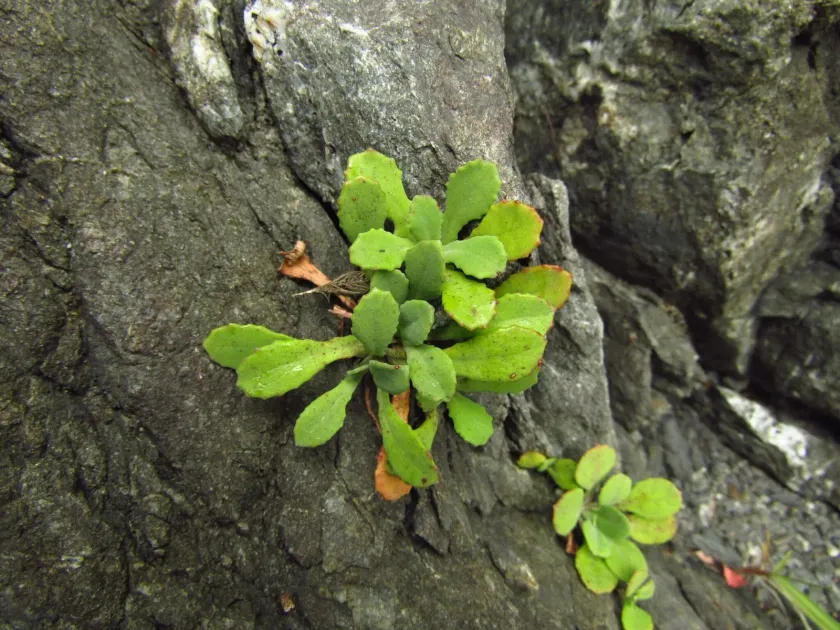
Description
Sowing dates
Sowing seeds of Crepidiastrum keiskeanum in temperate climates is best performed in the spring when soil temperatures reach 15–18 degrees Celsius.
To enhance germination rates, seeds typically require stratification for two to three weeks at cool, positive temperatures before sowing.
The optimal planting depth is 0.5–1 centimeter, utilizing a light, well-aerated substrate enriched with sand or perlite for drainage.
When using a nursery method, seeds are sown in seedling trays 6–8 weeks before the intended transplanting date into open ground.
Once true leaves appear, seedlings are pricked out into individual pots, ensuring adequate space is provided for robust root system development.
Growing requirements
This species belongs to the Asteraceae family and is a perennial herbaceous plant adapted to the specific conditions of coastal environments.
Successful growth requires sunny, open locations that are shielded from strong winds, consistent with its native habitat in Japan.
Soils must be well-drained with a neutral to slightly alkaline pH, as standing water can be detrimental to the plant's root crown.
The plant requires regular but moderate irrigation, especially during prolonged summer dry spells, though over-saturation of the substrate is strictly prohibited.
Fertilization should focus on balanced mineral formulas with reduced nitrogen content to promote flowering rather than excessive vegetative growth.
Main diseases and pests
The primary threats to Crepidiastrum keiskeanum are fungal diseases of the root system caused by excessive soil moisture levels.
Leaves may develop various types of spotting, necessitating the timely application of broad-spectrum fungicides to prevent spread.
Pests, particularly spider mites and aphids, frequently attack young shoots in hot, dry conditions, impacting the plant's aesthetic value and vitality.
To prevent infestations, it is crucial to maintain proper crop rotation and avoid overcrowded planting schemes to facilitate air circulation.
Regular phytosanitary monitoring allows for the early detection of disease clusters, enabling the use of localized biological or chemical treatments.
Harvesting
Seed collection is performed in late summer or early autumn once the flower heads have dried and begin to release seeds with their pappi.
For ornamental purposes, harvesting of vegetative parts should occur during the peak flowering stage when the inflorescences are fully expanded.
Cut stems lose turgor rapidly, so they should be placed in water immediately or dried in a dark, ventilated room for use in floral arrangements.
When selecting plants for propagation, it is essential to choose only the most vigorous and healthy specimens free from chlorosis or pest damage.
Storing seeds in paper envelopes in a low-humidity environment ensures high viability for the next planting season.