
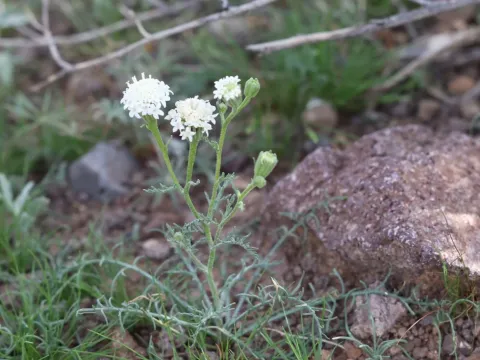
Chaenactis
Chaenactis
Chaenactis is a genus of flowering plants in the Asteraceae family, valued for its hardiness and adaptation to challenging environmental conditions.
What the section contains


Chaenactis
Seeds are typically sown directly into the soil in early spring after the last frost has passed to ensure optimal germination rates.
The seeds require light for germination, so surface sowing or very shallow coverage with soil is recommended to achieve the best results.
Proper spacing between plants, usually about 20 to 30 centimeters, is crucial to prevent crowding and ensure each plant has enough nutrients.
Starting seeds in controlled greenhouse conditions is also a viable option to ensure a more uniform crop establishment before transplanting.
Native to the arid regions of North America, this plant is exceptionally well-adapted to environments with low water availability and high solar exposure.
For successful growth, Chaenactis requires full sun exposure and well-draining, sandy or gravelly soil profiles to thrive properly.
It is remarkably drought-tolerant, requiring minimal irrigation once the plants have established their root systems in the field.
The plant performs best in neutral to slightly alkaline soil conditions and does not favor high-nutrient or heavy clay soil textures.
Understanding the microclimate of the field is essential, as the species prefers low humidity and protection from standing water during winter.
The primary concern for Chaenactis cultivation is root decay caused by poor drainage and excessive moisture saturation in the soil.
Fungal issues, such as powdery mildew, may emerge in stagnant or humid air conditions, potentially reducing the visual appeal of the crop.
Insects like aphids and spider mites may target the plant during hot, dry spells, necessitating regular monitoring of the foliage.
Maintaining proper plant hygiene and removing weeds surrounding the planting site can significantly reduce the pressure from these pests.
Strategic use of preventative fungicides or insecticidal soaps can manage these risks without harming the plant's delicate tissues.