
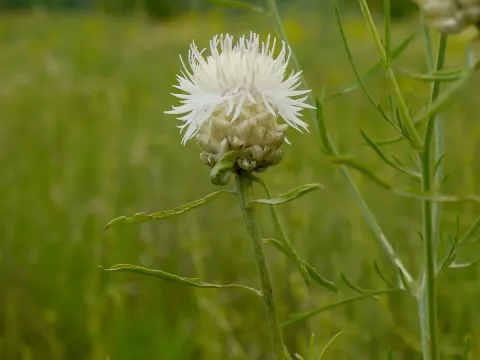
Centaurea splendens
Centaurea splendens
Centaurea splendens is a member of the Asteraceae family. This perennial herb is recognized for its vibrant flowers and its remarkable ability to adapt to varying soil and climate conditions.
What the section contains
Centaurea splendens
Sowing in open ground is typically performed during early spring once the soil temperature is adequate. For optimal results, seeds should be sown at a shallow depth of approximately 1 to 2 centimeters.
Alternatively, the seedling method is widely used for larger scale production. Starting seeds indoors allows for better control over early growth stages and leads to higher uniformity in the field.
Proper field spacing is essential for air circulation. Row spacing should ideally be between 30 and 40 centimeters to ensure that each plant has enough space to develop its foliage fully.
Before planting, the field should be prepared by plowing and leveling. Incorporating a balanced amount of organic matter into the soil helps improve moisture retention and nutrient availability.
This crop thrives in full sun exposure. While it is quite adaptable, insufficient light will lead to spindly growth and a significant reduction in flower count and color intensity.
Centaurea splendens prefers well-drained, neutral, and light sandy or loamy soils. It is highly sensitive to waterlogging, so selecting an area with good drainage is a priority.
The plant demonstrates excellent drought tolerance once established. Minimal irrigation is usually sufficient, as excessive moisture often contributes to root rot and other physiological issues.
Nutrient management is straightforward. Regular applications of phosphorus and potassium during the pre-blooming phase support the development of strong stems and healthier flowers.
The plant is hardy and capable of surviving winter dormant periods in temperate zones, making it an excellent choice for sustainable perennial cultivation in many regions.
The main phytosanitary threats include powdery mildew and various leaf spot fungi. These typically occur when environmental humidity is high and there is poor ventilation between rows.
Aphids and spider mites are the most common pests. They feed on the sap of the plant, potentially causing stunted growth and damage to the ornamental flower heads.
Integrated pest management strategies, such as weeding and removing debris from the field, are essential to prevent the buildup of pest populations and the spread of pathogens.
Applying chemical controls should only be considered when economic thresholds are met, always adhering to safety instructions to preserve the safety of local pollinator populations.
Keeping the area clean and ensuring optimal spacing are the most effective preventative measures against most threats affecting this ornamental crop.