
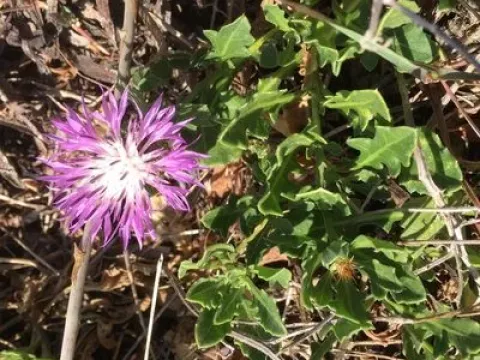
Centaurea susannae
Centaurea susannae
Centaurea susannae is a noteworthy member of the Asteraceae family. This species, often appreciated for its distinctive growth habits, serves as both an ornamental plant and a beneficial component in various agricultural and ecological landscapes.
What the section contains
Centaurea susannae
The optimal sowing time occurs in early spring once soil temperatures reach a consistent level above 8 degrees Celsius. Direct seeding into prepared soil is highly effective, as the seeds possess excellent germination rates under standard field conditions.
Seeds should be sown at a depth of 1 to 2 centimeters to ensure they receive the necessary light for uniform germination. Lightly firming the soil over the seeds improves moisture contact, which is vital for the rapid development of the primary root system.
Proper spacing is crucial for individual plant vigor. Maintaining a distance of 30 to 45 centimeters between rows and 20 to 25 centimeters between plants allows for optimal airflow and reduces the risk of overcrowding-related issues.
For large-scale cultivation, precision drilling is recommended to ensure consistent plant density. Monitoring moisture levels immediately after sowing is essential, as the seeds need a stable environment to successfully break dormancy.
This plant thrives in sunny, well-lit environments, which are essential for its vigorous growth and development. It is highly adaptable to various lighting conditions but prefers full sun to maximize its structural integrity and overall health.
Soil requirements focus on good drainage and moderate fertility. The plant struggles in heavy, waterlogged soils, making well-drained sandy loams or textured silts the preferred medium for successful production and long-term vitality.
While the plant exhibits moderate drought tolerance, regular watering during the active growth phase significantly improves yield and flowering quality. Irrigation should be applied systematically, avoiding overhead watering to keep foliage dry and healthy.
General maintenance includes periodic weeding and light cultivation of the soil surface. This process is essential to maintain optimal oxygen levels in the root zone and prevent unwanted competition from invasive plant species.
Fertilization with balanced mineral blends promotes steady growth. Applying nutrients based on soil test results ensures that the plant receives appropriate levels of nitrogen, phosphorus, and potassium throughout the vegetative and flowering stages.
Fungal diseases are the primary threat, particularly in humid or stagnant air conditions. Powdery mildew and various leaf spot pathogens can spread rapidly if the foliage remains wet for prolonged periods or if planting density is too high.
Insects like aphids and spider mites can infest the crop, especially during dry spells. These pests weaken the plant by feeding on its sap, which necessitates regular scouting and the use of targeted biological or chemical controls when thresholds are reached.
Root rot is a major risk on poorly drained land. Preventing this involves careful site selection and the implementation of proper drainage strategies to ensure that water never pools around the base of the plants.
Crop rotation is a fundamental practice in managing soil-borne pathogens. By avoiding continuous planting on the same site, farmers can significantly reduce the risk of recurring pest and disease issues specific to the Asteraceae family.
When chemical intervention is required, systemic fungicides or insecticides should be applied according to local agricultural regulations. Using integrated pest management practices helps maintain the ecological balance while protecting the crop from significant damage.