
Biserrate yarrow
Achillea biserrata
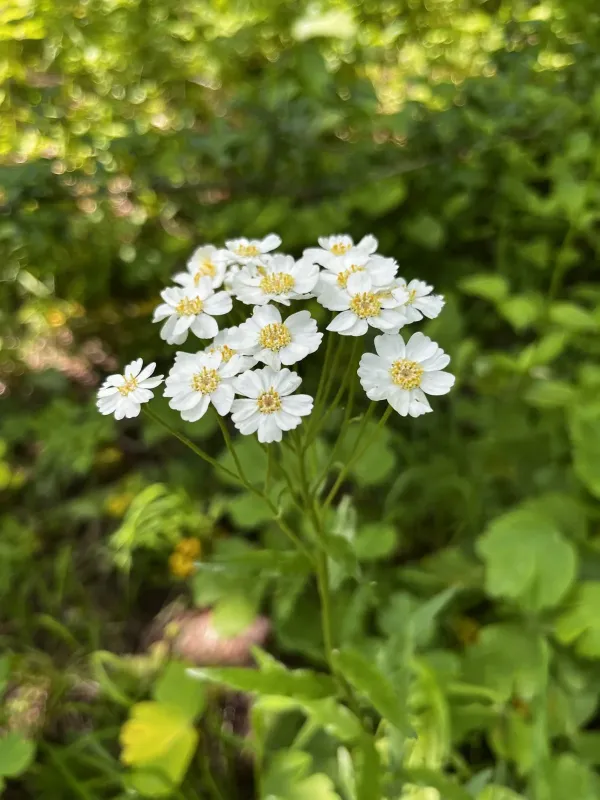
Description
Sowing dates
Achillea biserrata is typically propagated by seeds during the spring season once the soil has warmed to at least 10–12°C. The seeds require light for germination and should be surface-sown on moist soil without being buried too deep.
For indoor propagation, seeds should be started in late March using a light, well-draining potting mix. Covering the containers with a transparent film can maintain the necessary humidity levels until the first true leaves emerge.
In field production, the seeds are sown in rows spaced 40–50 cm apart. Thinning the seedlings is essential once they reach a height of 5–7 cm to prevent overcrowding and ensure individual plant vigor.
Vegetative propagation via root division is another viable method for established patches. This is best carried out in early spring or early autumn, allowing the plants to re-establish before the peak of the growing season.
Being a slow-growing species in its early life stages, the young plants require a weed-free environment. Frequent manual weeding during the first weeks of growth is critical for achieving a uniform stand.
Growing requirements
Achillea biserrata, a member of the Asteraceae family, performs best in full sunlight. It is adaptable to various soil types but prefers well-drained, moderately fertile loams with a neutral or slightly acidic pH level.
The plant demonstrates excellent drought tolerance once established, thanks to its deep-reaching root system. However, providing supplemental irrigation during dry spells can significantly enhance foliage growth and flower production.
This species is highly cold-hardy, making it suitable for regions with harsh winter climates. Proper drainage is the most important requirement, as waterlogged conditions during dormancy can cause the crowns to rot.
Fertilization should be managed carefully, as excess nitrogen promotes vegetative growth at the expense of floral development. A balanced, low-nitrogen phosphorus-potassium fertilizer is recommended to support general plant health.
Good air circulation is essential for the crop, especially in humid regions. Planting in open, well-ventilated locations helps mitigate the risk of fungal outbreaks that are common in dense plant communities.
Yield
The yield of biserrate yarrow is primarily measured by the dry weight of harvested flower heads. Under optimal management conditions, growers can expect high-quality yields suitable for both pharmaceutical and ornamental purposes.
Productivity is highest in the second to fourth years of growth. After this period, the plant vitality often declines, and the planting should be renewed through division or fresh seeding to maintain optimal output.
Regular deadheading of spent flowers throughout the summer can stimulate secondary blooms, effectively extending the harvest period and increasing the total seasonal yield per hectare.
Post-harvest processing is crucial for maintaining quality. The flower heads should be dried in a thin, even layer in a well-ventilated environment at temperatures not exceeding 40°C to preserve volatile oils.
Proper harvest management involves avoiding coarse stems and leaf debris in the final product. High-quality medicinal raw material must consist primarily of pure, undamaged inflorescences to meet market standards.
Main diseases and pests
The most common disease affecting this crop is powdery mildew, particularly in conditions of high atmospheric humidity or poor drainage. Fungicidal control is advised at the first sign of leaf discoloration.
Aphids and various leaf-feeding insects may periodically infest the young growth. Integrated pest management, including the use of neem oil or biological predators, is highly effective for maintaining healthy plants.
Root rot is often a symptom of poor soil structure or chronic over-watering. Improving soil drainage with coarse sand or organic matter is a standard preventive measure against these soil-borne pathogens.
Nematodes can be a concern in fields where the crop is grown continuously for several years. Implementing a crop rotation cycle every 4–5 years significantly reduces the accumulation of these soil pests.
Monitoring for signs of distress, such as wilting or stunted growth, allows for early intervention. Proactive care and regular site maintenance ensure a long-lasting and productive cultivation plot.
Harvesting
Harvesting is performed during the peak flowering stage, when the majority of florets are fully open but not yet fading. Timing is critical to ensure the highest concentration of active therapeutic compounds.
The harvest technique consists of cutting the upper 10–15 cm of the stems. Using sharp, sanitized cutting tools prevents mechanical injury to the plant and encourages faster regeneration for subsequent growth.
Freshly cut material should be processed immediately and kept out of direct sunlight. Keeping the harvest in thin layers prevents fermentation and loss of quality due to heat accumulation within the material.
Quality control during harvest includes the removal of weeds and insects. Only clean, vibrant inflorescences should be selected for the final drying racks to ensure the highest potency of the botanical product.
After the harvest, the fields should be cleared of all remaining stalks and debris. This cleanup step is an important sanitary practice that helps prevent the overwintering of pathogens and pests within the planting area.