
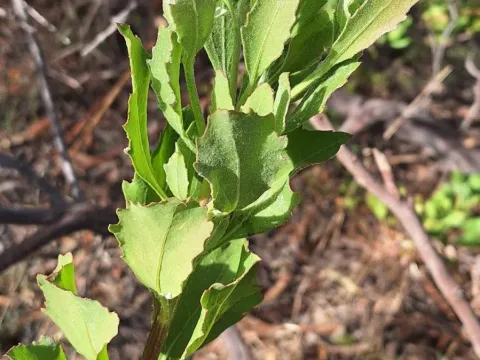
Bitou bush
Osteospermum moniliferum
Propagation of Osteospermum moniliferum is most effectively achieved through seeds or stem cuttings. Seeds should be sown in a light, well-draining seed-starting mix, ensuring a temperature range of 18–22 degrees Celsius for optimal germination rates.
What the section contains
Bitou bush
When starting from seeds, it is recommended to keep the substrate consistently moist but not waterlogged. Germination usually occurs within two to four weeks depending on the environmental conditions.
Stem cuttings should be taken from non-flowering, semi-hardwood growth during the active growing season. Applying a rooting hormone to the base of the cutting can significantly increase success rates.
Once seedlings have developed at least two sets of true leaves, they should be transplanted into individual pots or directly into their permanent location, provided the danger of frost has passed.
Spacing is essential for healthy growth, as the plant can develop a wide, spreading habit. Planting them approximately one meter apart allows for proper airflow and prevents competitive stress among individuals.
The Bitou bush is a member of the Asteraceae family, native to South Africa. It is a hardy, evergreen shrub characterized by its leathery, serrated leaves and yellow flowers that emerge during the spring and summer months.
This species is highly adaptable to a variety of environmental conditions. It thrives in full sun, which is necessary to maintain the plant's dense shape and to stimulate abundant flower production throughout the season.
Soil requirements are relatively minimal, as the plant is adapted to sandy and rocky soils. However, a well-draining substrate is absolutely critical, as the roots are highly susceptible to rot in stagnant moisture.
The plant demonstrates remarkable drought tolerance once established, making it suitable for low-maintenance landscapes. Deep, infrequent watering during the initial growth stage helps encourage a robust and deep root system.
It is sensitive to hard frosts and prefers temperate climates. In colder regions, the shrub should be sheltered or grown in containers that can be moved indoors during extreme winter conditions.
Root rot is the most significant pathological threat to the Bitou bush, typically resulting from poor soil drainage or excessive irrigation. Preventing soil saturation is the primary method of management.
Aphids can frequently infest the young, tender shoots, extracting plant sap and causing leaf distortion. Small infestations can be removed mechanically or with a gentle stream of water, while larger ones require insecticidal soaps.
Spider mites represent a common issue during periods of prolonged heat and low humidity. Monitoring the underside of leaves for fine webbing and discoloration is crucial for early detection and control.
Powdery mildew can affect the foliage if there is inadequate airflow around the shrub. Proper pruning and spacing are essential strategies to maintain a dry and ventilated canopy, which naturally suppresses fungal growth.
In certain geographical areas, the plant is subject to strict biosecurity regulations due to its potential to become invasive. Growers must ensure they comply with local environmental laws regarding its planting and management.