
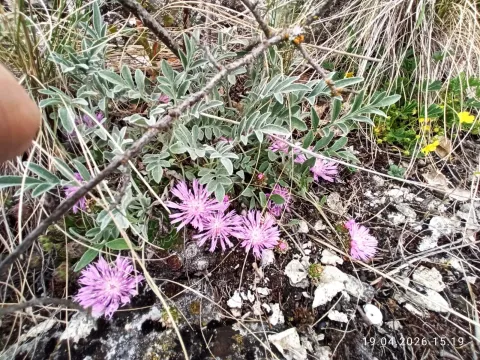
Marshall's cornflower
Centaurea marschalliana
Marshall's cornflower (Centaurea marschalliana) is a member of the Asteraceae family. It is a perennial herbaceous plant naturally occurring in steppe regions, typically found on rocky slopes and limestone outcrops.
What the section contains
Marshall's cornflower
The culture is highly xerophytic, making it well-suited for regions facing water scarcity. The plant requires sunny locations, where high exposure to sunlight enhances its biological development and overall health.
Soil requirements are relatively specific: the crop thrives in well-drained, light-textured soils. It performs best in sandy or loamy soils with neutral to slightly alkaline pH, while avoiding areas prone to waterlogging.
Agronomic practices for this species focus on low-maintenance cultivation. It responds positively to balanced mineral nutrition but requires careful weed management during the initial establishment phase to prevent competition.
The plant has significant value in apiculture as a nectar source and is increasingly used in xeriscaping, providing aesthetic appeal in dry garden environments without the need for intensive irrigation.
The primary threats to Marshall's cornflower are fungal diseases, particularly powdery mildew and rust, which often manifest when humidity levels rise or air circulation within the plant canopy is insufficient.
Pests such as aphids are common invaders that feed on the soft tissues of new growth. These insects can significantly weaken the plants if infestations are not identified and managed promptly.
Disease control relies heavily on preventative measures, such as maintaining appropriate plant density and ensuring the soil remains well-drained, which limits the risk of root rot pathogens.
Integrated pest management strategies are encouraged to protect the health of the crop and surrounding ecosystems, especially when the field serves as a honey plant, avoiding overly aggressive chemical applications.
Regular field scouting is essential for identifying the onset of pest pressure or symptoms of disease early in the season, allowing for effective intervention and ensuring the vitality of the harvest.