
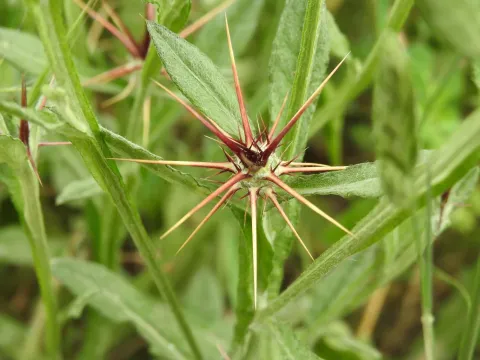
Centaurea idaea
Centaurea idaea
Centaurea idaea is a notable perennial herbaceous plant belonging to the Asteraceae family. Known for its specific botanical traits, it serves as a specialized crop often cultivated for its chemical composition and adaptability to Mediterranean-like environments.
What the section contains
Centaurea idaea
The origin of this species traces back to the mountainous regions of Crete. It is uniquely adapted to thrive in alkaline, rocky, and well-drained soils, which are critical for its physiological development and root health.
In terms of climatic requirements, the plant demands high levels of solar radiation and low relative humidity. It is highly drought-tolerant, exhibiting survival mechanisms that make it suitable for cultivation in arid or semi-arid agricultural zones.
Soil management for Centaurea idaea focuses primarily on drainage. The crop does not tolerate waterlogging, which often leads to immediate root rot; therefore, selecting sites with natural slope or engineered drainage is an essential agronomic step.
Nutrient requirements are relatively low compared to intensive cereal crops. The plant benefits from controlled mineral supplementation that supports flowering, but excess nitrogen should be strictly avoided to prevent succulent growth susceptible to mechanical damage.
The primary threats to Centaurea idaea include soil-borne pathogens, specifically fungal infections such as root rot caused by stagnant moisture. Proactive soil management is the primary defense against these threats.
Pest pressure typically involves aphids and spider mites, which can cause significant damage during hot and dry growing seasons. These pests thrive in environments with low air circulation, making crop spacing a vital component of pest control.
Powdery mildew represents another potential issue, especially during transitional weather seasons where humidity fluctuations occur. Proper spacing between rows is recommended to encourage sufficient airflow and reduce the germination of fungal spores.
Integrated pest management (IPM) is strongly encouraged for this crop. This approach includes monitoring population thresholds before any chemical intervention is considered, ensuring the sustainability and quality of the final harvest.
Sanitation practices, including the removal of infected plant debris from the field, are critical. By maintaining high hygiene standards within the plot, farmers can significantly reduce the overwintering potential of various crop-specific diseases.