
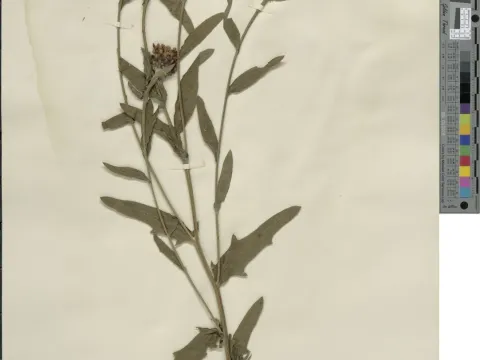
Centaurea flosculosa
Centaurea flosculosa
Centaurea flosculosa is a perennial herbaceous plant belonging to the Asteraceae family. It is native to temperate zones, often found in mountain meadows and rocky slopes where it has adapted to specific ecological niches.
What the section contains
Centaurea flosculosa
The plant features a robust root structure, which is essential for survival in dry environments. It thrives in open, sunny locations where it can maximize its photosynthetic potential during the growing season.
Soil requirements for this species include well-drained, neutral to slightly alkaline substrates. Heavy or waterlogged soils are detrimental to root health and should be avoided in agricultural settings.
The species is highly resilient to cold temperatures, making it a viable candidate for cultivation in varied climatic conditions provided that moisture levels are strictly managed.
In practice, it is often utilized for ecological restoration, providing habitat for pollinators, and acting as a hardy component in diverse meadow-type forage mixes.
The primary threats to Centaurea flosculosa include various species of aphids and weevils that tend to infest flower heads and developing stems during the warmer months.
Fungal pathogens such as powdery mildew represent a significant risk, particularly when the plants are grown in areas with poor ventilation and high atmospheric humidity.
Effective management strategies involve ensuring adequate spacing between plants to improve airflow, which naturally reduces the risk of leaf spot diseases and fungal infections.
Integrated pest management protocols should be implemented, emphasizing the use of resistant varieties and early detection to avoid heavy reliance on chemical pesticides.
Regular inspection of the root collar and foliage is recommended to ensure early intervention if signs of infestation or infection appear in the field.