
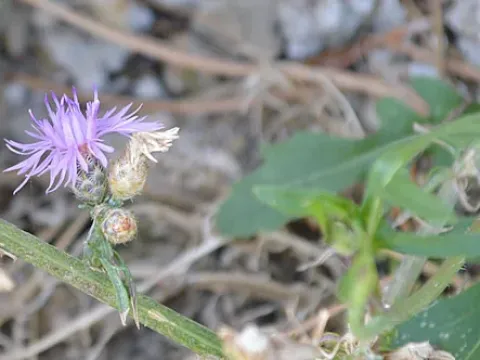
Centaurea glaberrima
Centaurea glaberrima
Centaurea glaberrima is a perennial herbaceous plant belonging to the Asteraceae family. Its natural habitat is primarily located in the mountainous regions of the Balkan Peninsula, where it thrives on limestone-based and rocky soils.
What the section contains
Centaurea glaberrima
The plant is highly drought-tolerant, making it an excellent candidate for xeriscaping or rock gardens. It requires full sun exposure to maintain its compact growth habit and produce healthy, vigorous foliage throughout the growing season.
Soil requirements focus primarily on drainage. The species prefers well-aerated, rocky, or gravelly substrates with a neutral to slightly alkaline pH. It does not perform well in heavy, waterlogged soils which can induce root rot.
Climatic adaptability is one of its strongest traits, allowing it to withstand temperature fluctuations typical of mountain environments. However, it requires protection from excessive winter moisture if the soil profile stays saturated for long periods.
In terms of usage, it is valued by horticulturists for its ornamental appeal, especially in alpine-style landscaping, where its unique structure adds texture and visual interest to the garden display.
Aphids are the most common pests affecting this species. They typically cluster on the tender tips of the plant, drawing nutrients and causing stunted development of the flowering stalks during the spring months.
Powdery mildew is a significant fungal threat, especially in humid or stagnant air conditions. Proper spacing between plants is recommended to facilitate airflow and reduce the humidity levels around the foliage.
Root and crown rots occur primarily due to poor drainage or overwatering. Maintaining the soil in a well-drained state is the most effective preventative measure against these soil-borne pathogens in the home garden.
Rust fungi may affect the leaves during periods of prolonged damp weather. If infection is detected, the removal of affected leaves is necessary to reduce the spread of spores to healthy parts of the plant.
Competition from aggressive weeds is another factor to manage, as the slow-growing nature of Centaurea glaberrima in its early stages makes it vulnerable to being overtaken by more vigorous weed species.