
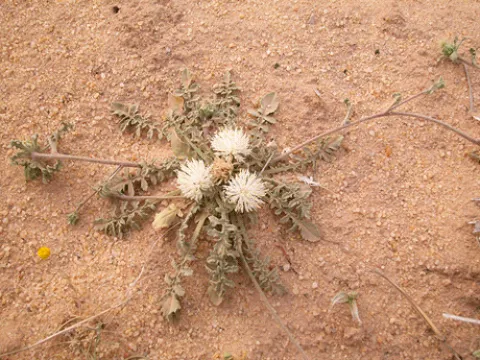
Centaurea furfuracea
Centaurea furfuracea
Centaurea furfuracea is a member of the Asteraceae family, originating from the arid regions of North Africa and the Middle East. This plant is known for its remarkable ability to survive in extreme environmental conditions, which makes it a unique subject for botanical and agronomic study.
What the section contains
Centaurea furfuracea
The plant thrives in well-draining, sandy, or rocky soils with low organic content. Its natural habitat is characterized by saline conditions, and the species has evolved specific biological mechanisms to tolerate such high levels of soil salinity, which is a rare trait for many conventional crops.
Agrotechnical requirements for this plant focus on high light intensity and low humidity. It is essential to ensure that the root zone remains dry, as the species is highly susceptible to root rot if exposed to waterlogging or excessive moisture, regardless of the season.
The climate requirements include high temperatures and a prolonged growing season without the risk of frost. When cultivated outside its native range, the plant requires greenhouse management to simulate the desert heat and to prevent cold-related physiological damage.
The economic and agricultural utility of Centaurea furfuracea is currently centered on genetic research and breeding programs. It serves as a vital model for understanding plant responses to drought stress, with the long-term goal of transferring these resilient traits to more common agricultural cultivars.