
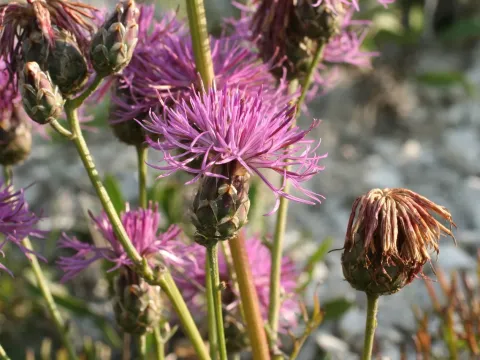
Centaurea jankae
Centaurea jankae
Sowing Centaurea jankae is typically performed in early spring once the soil has warmed sufficiently. Seeds are sown directly into prepared beds, ensuring a loose and well-aerated soil structure to encourage successful germination.
What the section contains
Centaurea jankae
For container-grown starts, seeds should be sown in late winter indoors. Providing consistent light and moderate temperature allows for the development of sturdy seedlings that are ready to be transplanted after the risk of frost has passed.
When sowing in the field, seed depth should be kept to a minimum, ideally around 1 cm. Shallow planting ensures that the seeds have sufficient contact with the soil while still being able to emerge quickly through the surface layer.
The spacing between plants should be approximately 35 centimeters. This distance is optimal for adult plants to have enough space to spread their foliage and display their unique floral characteristics without overcrowding.
Multiplication via division is another effective method, usually performed during the dormant season. Dividing established clumps helps rejuvenate the plant, ensuring sustained growth and health for the following vegetation cycle.
As a member of the Asteraceae family, Centaurea jankae thrives in full sunlight. It requires an environment with significant light exposure to maintain its compact form and ensure productive flowering throughout the summer season.
Regarding soil preferences, the plant is quite adaptable but favors well-drained, sandy or loamy soils. It demonstrates a natural ability to survive in poorer, rocky substrates, making it an excellent choice for low-maintenance landscaping.
The plant is highly drought-tolerant once established. It requires supplemental watering only during extreme heatwaves or prolonged periods of drought, as excessive moisture can lead to root system decay and poor plant performance.
Climate adaptability is one of the species' strong points, as it handles temperate zones well. It is cold-hardy and survives winter temperatures in many regions without the need for additional protective covering.
Nutrient requirements are modest; however, a balanced application of minerals in the early spring can enhance overall plant vigor. Avoiding high nitrogen levels is crucial to prevent the plant from becoming leggy and susceptible to wind damage.
The primary diseases affecting Centaurea jankae include various fungal pathogens such as powdery mildew. This condition often arises in environments with high humidity and poor air circulation, necessitating prompt management through thinning.
Root rot is a common threat caused by waterlogged soil conditions. Ensuring proper drainage is the most effective preventative measure against these soil-borne threats, which can severely compromise the plant's health.
Insect pests, particularly aphids, are known to target the tender shoots and flower buds. Their presence not only stunts growth but can also act as vectors for various plant viruses, requiring regular monitoring and control.
Spider mites can also be problematic during hot, dry spells. These pests feed on sap, causing leaves to develop discolored spots and eventually wither. Regular inspection of leaf undersides is recommended for early detection.
Integrated pest management, combining cultural practices like weed removal and biological controls, is highly recommended. This approach helps minimize the use of chemical pesticides while maintaining a healthy growth environment.