
Centaurea involucrata
Centaurea involucrata
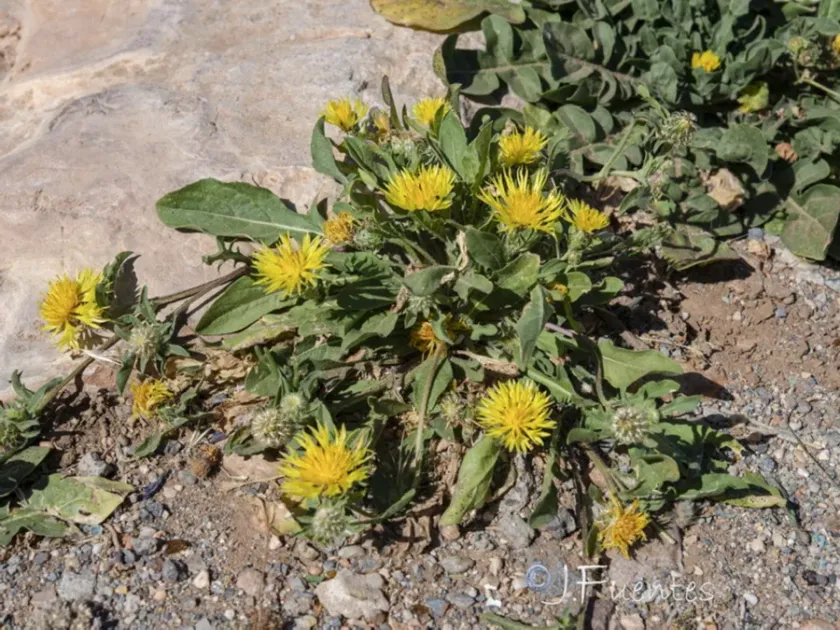
Description
Sowing dates
Centaurea involucrata is a perennial herbaceous plant belonging to the Asteraceae family. Known for its distinct involucre bracts, it serves as a valuable specimen for both ornamental landscapes and specialized botanical collections.
The seeds require cold stratification for at least 4-6 weeks to break dormancy. Sowing should ideally occur in early spring, once the soil has warmed to approximately 10-12 degrees Celsius, ensuring optimal germination rates.
For field cultivation, seeds are sown in rows spaced 50 centimeters apart. A shallow planting depth of about 1 centimeter is recommended, as the seeds are small and require a precise balance of moisture and aeration to germinate successfully.
After emergence, the seedlings should be thinned to a distance of 30 centimeters between plants to allow for proper airflow and development. The first year is characterized by the establishment of a robust taproot system.
In regions with mild winters, autumn sowing is possible, provided the seeds are protected from excessive moisture. This timing mimics natural seed dispersal and often results in earlier, stronger spring growth.
Growing requirements
This species thrives in full sun, which is essential for developing its characteristic morphology and vibrant floral colors. Any degree of shade will likely lead to leggy growth and significantly reduced flowering capacity.
Well-drained, fertile soil is a critical requirement for Centaurea involucrata. The plant is highly sensitive to waterlogged conditions, which can lead to root rot and eventual death of the entire plant cluster.
While the plant is relatively drought-tolerant once established, supplemental irrigation during the peak summer months is beneficial. Maintaining a consistent moisture level during the bud initiation phase is crucial for high-quality blooms.
Fertilization should be handled with care, as excessive nitrogen may promote unwanted vegetative growth at the expense of flower production. A balanced, low-nitrogen fertilizer applied in early spring is generally sufficient.
The plants are quite hardy and tolerate a variety of soil types, including those that are slightly alkaline. However, the ideal pH range for maximum nutrient uptake remains between 6.5 and 7.5 for most growing environments.
Main diseases and pests
Powdery mildew is the most common fungal issue encountered by this plant, especially during periods of high humidity. Proactive measures include spacing plants to improve air circulation and applying sulfur-based fungicides when necessary.
Aphids can become a nuisance during the rapid growth phase of the spring. Monitoring the underside of leaves and using insecticidal soaps can manage small infestations without harming beneficial predatory insects in the area.
Root rot, often caused by poor soil drainage, can be catastrophic. Ensuring that the planting site has adequate slope or a gravel-based drainage layer is the primary defense strategy against these soil-borne pathogens.
Rust diseases may occasionally appear as small, brownish spots on the foliage. Removing and destroying affected leaves is the standard procedure to limit the spread of the spores throughout the plantation.
- Regular soil inspection to identify early signs of fungal stress
- Consistent weeding to prevent nutrient depletion by invasive species
- Monitoring for leaf miners that can damage photosynthetic surfaces