
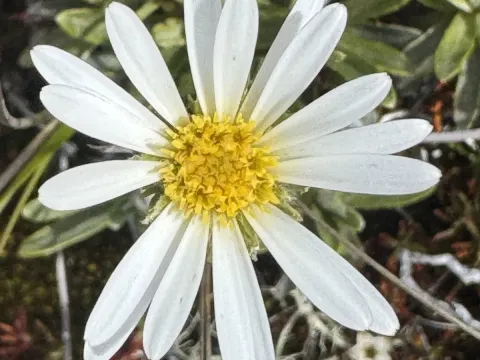
Celmisia
Celmisia
Celmisia is a genus of perennial herbaceous plants belonging to the Asteraceae family. These plants are widely known as New Zealand mountain daisies and are valued for their striking foliage and bloom.
What the section contains


Celmisia
Native to New Zealand, Australia, and subantarctic islands, these plants are evolved to survive in mountainous terrain, often enduring cool, damp, and windy conditions throughout the year.
Successful cultivation requires soil that is consistently well-drained, slightly acidic, and rich in humus. Waterlogging is the most common cause of failure in growing this genus.
The plant thrives in temperate climates with cool summers. It performs best in positions where it receives significant light but is protected from the intense, drying heat of midday sun.
In terms of usage, Celmisia is primarily an ornamental crop. It is highly sought after by collectors of alpine and rock garden plants, serving as a focal point due to its silvery leaves.
The primary threat to Celmisia health is root rot caused by poor soil drainage and stagnant water. Overwatering during dormancy can be fatal to the delicate root system of the plant.
Fungal pathogens such as powdery mildew can affect the foliage during humid seasons, especially if the air circulation around the plant is insufficient in the planting area.
Slugs and snails are the most frequent pests, as they target the succulent leaves of the rosettes, which can significantly damage the appearance and vitality of the specimen.
Aphids may occasionally colonize the flower stalks, leading to stunted growth. Regular inspection and mild soap-based treatments are often sufficient to manage these minor infestations.
Good agricultural hygiene, such as removing dead leaves and ensuring adequate spacing between plants, is essential to minimize the risk of pest and disease outbreaks in the garden.