
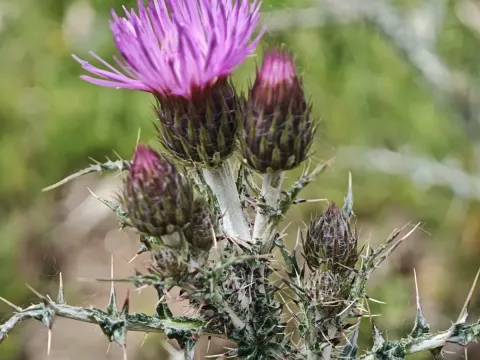
Carpetan thistle
Carduus carpetanus
Carduus carpetanus, commonly known as the Carpetan thistle, is a perennial herbaceous plant belonging to the Asteraceae family. This species is recognized for its robustness and specific adaptation to the mountainous environments typical of its native Iberian Peninsula.
What the section contains
Carpetan thistle
The origin of this culture is strictly linked to high-altitude areas in Central Spain, where the plant has evolved to survive in fluctuating temperature conditions and intense solar radiation. It is highly valued in niche agriculture for its ecological benefits and secondary plant metabolites.
Optimal growth is achieved in well-drained, porous soils that mimic its natural rocky habitat. The plant requires a substrate with a neutral to slightly acidic pH level and excellent aeration to prevent root rot, which is the primary challenge in heavy clay soils.
Agronomic management focuses on providing full sunlight exposure throughout the growing season. The plant's deep taproot system allows it to efficiently utilize water resources, making it a sustainable choice for semi-arid agricultural zones with limited irrigation capacity.
The economic utility of the Carpetan thistle spans across the apicultural industry, providing a steady nectar source for bees, and the botanical industry, where its extracts are researched for potential therapeutic applications due to its complex chemical profile.
The primary diseases affecting this crop involve fungal pathogens such as mildew, which thrive in stagnant or humid conditions. Maintaining proper spacing between plants is essential to ensure adequate air circulation and to minimize the risk of spreading fungal spores.
Insects like aphids and specific species of seed-eating weevils pose the most significant threat to the plant's reproductive structures and vigor. Effective control requires a proactive scouting strategy and the implementation of organic-friendly pest management practices.