
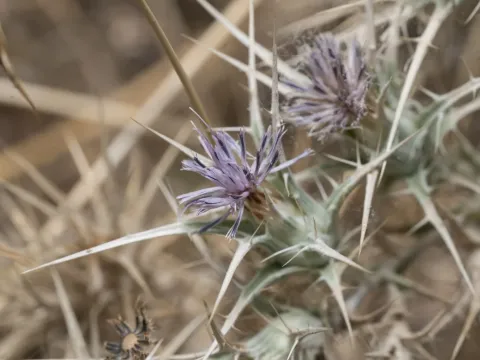
Carthamus dentatus
Carthamus dentatus
Carthamus dentatus is a distinct species within the Asteraceae family, recognized for its hardiness and adaptation to arid environments. As an oilseed crop, it offers significant potential for sustainable agriculture in water-limited regions.
What the section contains
Carthamus dentatus
Sowing should take place early in the spring, once soil temperatures are consistently above 5–8 degrees Celsius. This timing allows the crop to establish a deep taproot system before the onset of summer heat.
The recommended seeding rate is generally between 150,000 to 250,000 seeds per hectare, aiming for uniform spacing to prevent inter-plant competition. Row spacing should be tailored to local machinery and moisture levels.
Seeds are placed at a depth of 3 to 5 centimeters. Proper seed-to-soil contact is essential for rapid germination, especially in lighter, well-aerated soils where moisture may evaporate quickly from the surface.
Initial growth is relatively slow, requiring careful management of weeds. Once the plant passes the seedling stage, its vigorous growth helps it suppress most competing vegetation.
This crop thrives under full sun exposure and is highly sensitive to shading, which can severely stunt growth and development. Open fields with long daily photoperiods are ideal for its physiological needs.
Carthamus dentatus performs well on a variety of well-drained soil types, including sandy loams and calcisols. The primary requirement is excellent drainage, as the species is highly susceptible to root rots in waterlogged conditions.
It exhibits remarkable drought resistance, making it an excellent candidate for semi-arid climates. The plant can sustain its metabolic functions even under high heat and low moisture stress.
While tolerant of low water levels, moisture availability during the budding and flowering phases significantly increases seed yield. Strategic rainfall during these stages is the most important factor for production.
Soil fertility management should focus on balanced N-P-K applications. Phosphorus and potassium are particularly beneficial for improving seed oil quality and enhancing the plant's overall resilience.
Rust and Fusarium wilt are the most common diseases affecting this species. High humidity and poor air circulation within the canopy are primary triggers for these pathogenic outbreaks.
Pests such as the safflower fly and various aphid species represent significant threats, as they directly damage the reproductive organs of the plant, potentially leading to substantial yield losses.
Integrated Pest Management (IPM) strategies, including crop rotation and the use of resistant varieties, are essential. Avoiding consecutive planting of the same family on the same plot reduces pathogen pressure.
Monitoring the fields for early signs of infestation is crucial. Chemical intervention should be reserved for periods when pest populations exceed economic thresholds to preserve beneficial insects.
Weed control is also a protective measure, as many weeds serve as alternate hosts for both viral diseases and damaging insect species, complicating the overall crop protection strategy.
Harvesting is performed when the heads are completely dry and the seeds have reached physiological maturity. Timing is critical to prevent seed shattering, which can occur if the harvest is delayed.
Direct combining is the standard method for large-scale production. Equipment must be calibrated to a lower cylinder speed to avoid cracking the seed coat while effectively separating it from the husks.
Moisture content at harvest must be carefully monitored. Seeds must be dried to below 12% moisture to ensure safe storage and to prevent the degradation of oil quality during the holding period.
Post-harvest residues provide a source of organic matter, which can be incorporated into the soil. This practice improves soil structure and helps maintain long-term agricultural productivity.
Economic success depends on maximizing the yield per hectare through proper agronomic practices and favorable weather conditions during the seed-filling phase of the plant's life cycle.