
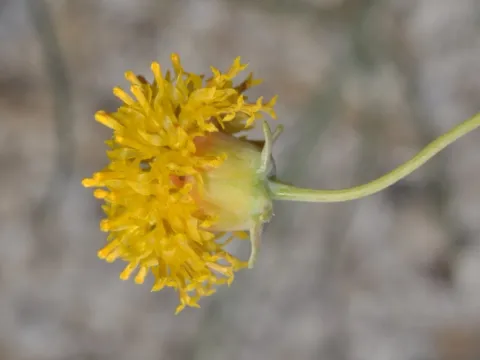
Bidens megapotamica
Bidens megapotamica
Bidens megapotamica is a member of the Asteraceae family. This species originates from South America, specifically inhabiting regions within the Rio de la Plata basin, where it thrives in diverse riparian ecosystems.
What the section contains
Bidens megapotamica
Botanically, it is recognized for its branched growth habit and distinct yellow capitula. The leaves are typically pinnately divided, providing a lush appearance that supports the plant's high photosynthetic efficiency during the summer season.
Agricultural success depends on well-draining, nutrient-rich soils. The plant performs best in a pH range of 6.0 to 7.0 and requires full sun exposure to maintain its vigorous growth and vibrant floral production.
Climate requirements include a warm, humid environment without extreme frost. While it adapts to various conditions, it remains susceptible to sudden cold snaps, requiring protection or greenhouse cultivation in temperate zones.
The plant is primarily utilized for ornamental purposes due to its long blooming period. Furthermore, its biological profile is being researched for potential secondary metabolites with pharmacological properties.
Fungal infections, such as powdery mildew, are the primary concern for Bidens megapotamica when planted in high-density areas with poor air circulation. Proper spacing is essential to mitigate these risks.
Pests such as aphids and spider mites frequently target the succulent growth during dry spells. Integrated pest management strategies, including the use of neem oil or specific insecticides, are recommended.
Root rot is a critical threat caused by overwatering or compacted soil. Ensuring optimal soil structure and drainage is the most effective preventative measure against soil-borne pathogens.
Weed competition during the early establishment phase can stunt growth. Regular mechanical weeding is necessary to ensure the plant receives sufficient access to sunlight and nutrients.
Nutrient imbalances, particularly nitrogen excess, can make the plant more prone to lodging and insect infestation, thus requiring a balanced fertilization plan based on soil analysis.