
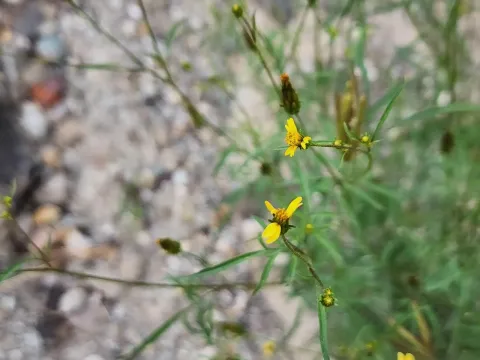
Bidens exigua
Bidens exigua
Bidens exigua is an annual herbaceous plant belonging to the Asteraceae family. In agricultural practices, seeds are sown directly into open soil once the ground has warmed up to 10–12°C, typically in mid-to-late spring.
What the section contains
Bidens exigua
To improve germination rates, it is highly recommended to stratify the seeds prior to sowing. The seeds should be planted at a shallow depth of 1–2 centimeters, as they require sufficient light exposure to initiate the germination process effectively.
The optimal planting pattern involves row spacing of 30 to 45 centimeters. This distance provides adequate space for the plant's development and ensures good air circulation, which is crucial for preventing fungal diseases in densely planted fields.
Row-cropping methods are preferred for large-scale operations to facilitate mechanical weeding and soil cultivation. After sowing, lightly rolling the soil surface helps to create a firm seed-to-soil contact, which promotes uniform emergence.
Alternatively, the seedling method can be used by sowing seeds in trays 5 to 6 weeks before transplanting. This extends the vegetative period, which is particularly beneficial in regions with shorter growing seasons or cooler spring temperatures.
The plant thrives in fertile, well-drained loamy or sandy soils. It is sensitive to moisture levels; while it requires consistent water, it cannot tolerate waterlogged soil, which often leads to root rot and poor development.
The ideal soil pH range for Bidens exigua is between 6.0 and 7.0. As a sun-loving plant, it requires an open, fully illuminated location to achieve its maximum biomass potential and high secondary metabolite production.
Adequate moisture management is essential during the active vegetative growth phase. Drought stress during this period can lead to early lignification of the stems, which negatively impacts the overall quality of the harvested medicinal material.
Temperatures ranging from +18°C to +25°C are considered optimal for the plant's metabolism. Protecting young plants from late spring frosts is necessary to ensure survival and consistent growth throughout the season.
Fertilization with nitrogen-phosphorus compounds during the early stages of growth significantly enhances biomass yield. Organic amendments should ideally be incorporated into the soil during the autumn pre-planting preparation phase.
Bidens exigua is susceptible to powdery mildew, especially in humid conditions with poor air circulation. Implementing proper spacing and avoiding overhead irrigation during calm, humid weather are effective preventive strategies.
Aphids are the most common pests, as they feed on young leaves and flower buds, weakening the plant. Frequent monitoring and timely intervention are necessary to prevent severe infestations that can reduce crop quality.
Root rot can occur if soil drainage is insufficient or if irrigation is excessive. Maintaining proper soil structure and ensuring a moderate moisture balance are key components of protecting the plant's root system.
Spider mites may pose a threat during hot, dry spells. Regular inspection of the undersides of leaves allows for early detection, enabling the use of biological control agents before the population reaches damaging levels.
- Crop rotation is vital; avoid planting Bidens on the same plot for at least three consecutive years.
- Keeping the field edges free of weeds reduces the risk of pest migration and pathogen spread.
- Monitoring weather patterns to adjust irrigation schedules and reduce humidity around the plant base.
The harvesting process should be timed to coincide with the peak flowering phase, when the concentration of bioactive compounds in the plant's aerial parts is at its absolute maximum.
Stems are typically cut 10–15 centimeters above the soil surface. This height facilitates the regeneration of lateral shoots, which may allow for a secondary harvest if the growing season is sufficiently long.
Post-harvest, the material must be dried immediately to prevent degradation. Shaded, well-ventilated areas or specialized drying chambers operating at temperatures not exceeding +40°C are recommended for optimal preservation.
Direct exposure to sunlight should be avoided during the drying process, as UV light can break down essential oils and pigments, leading to a significant loss of pharmacological potency in the final product.
Once completely dry, the material should be stored in breathable paper or fabric bags in a cool, dark, and dry warehouse to ensure the long-term stability and quality of the medicinal herb.