
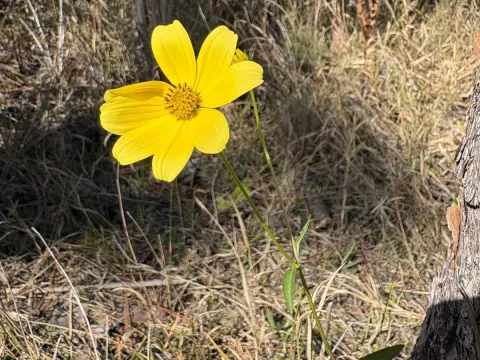
Bidens mitis
Bidens mitis
Bidens mitis, commonly known as the small-fruit beggartick, is an annual herbaceous plant belonging to the Asteraceae family. It is typically found in wetland habitats and moist soil conditions.
What the section contains
Bidens mitis
Seeds should be sown in late spring when the soil temperature has reached a consistent level above 15 degrees Celsius. Pre-soaking seeds can improve germination rates significantly.
Planting depth is critical for this species; seeds should be sown no deeper than 1 to 2 centimeters to ensure access to sufficient light during the initial emergence phase.
Row spacing should be maintained at 30–45 centimeters to allow for adequate airflow and weed management. This spacing also supports efficient mechanical cultivation between the rows.
Proper irrigation immediately after sowing is essential. Maintaining a moist seedbed is mandatory for the successful establishment of the crop, as the seeds are prone to desiccation.
The plant thrives in moist to wet soil conditions, making it an excellent choice for poorly drained areas or riparian zones. It requires constant soil moisture to reach its maximum biomass potential.
Rich, nutrient-dense soils such as silty loams provide the best medium for growth. The plant performs poorly in compacted or excessively dry soils where root development is restricted.
Full sun exposure is required for optimal physiological performance. While the plant can tolerate partial shade, insufficient light will result in weak stems and lower concentrations of secondary metabolites.
Climate requirements include a warm, frost-free growing season. Bidens mitis is not cold-hardy and will perish upon the arrival of the first autumnal frosts, which dictates the harvest timing.
Soil pH should ideally be neutral or slightly acidic. On highly alkaline soils, the plant may exhibit micronutrient deficiencies, which can be corrected through specialized foliar applications.
Fungal pathogens such as powdery mildew represent the primary disease risk. These infections are often triggered by high ambient humidity and inadequate spacing between individual plants.
Insect pests, particularly aphids and spider mites, can cause significant damage to young leaves. Early detection is vital to prevent rapid infestation and potential yield loss.
Root rot is a common issue in waterlogged soils where oxygen availability to the roots is compromised. Proper soil drainage remains the most effective management strategy against this condition.
Weed competition is particularly detrimental during the early stages of development. Regular manual or mechanical weeding is necessary until the crop forms a dense canopy that shades out competing weeds.
Sustainable pest management involves using integrated biological controls. Using predatory insects and avoiding broad-spectrum synthetic pesticides helps preserve the medicinal quality of the harvested material.