
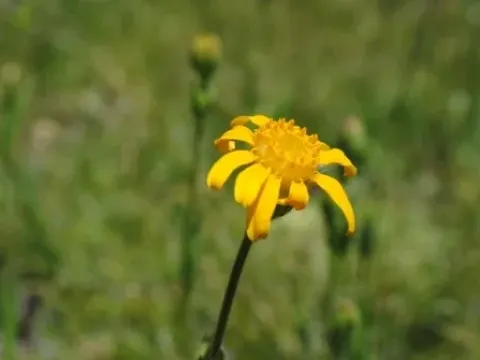
Twin arnica
Arnica sororia
Twin arnica (Arnica sororia) is a perennial herbaceous plant belonging to the Asteraceae family. It is native to the western regions of North America, typically found in open meadows and prairie ecosystems.
What the section contains
Twin arnica
The plant requires well-drained soil, preferably with a sandy or gravelly texture to ensure optimal root development. A neutral to slightly acidic soil reaction is considered ideal for this species.
Sunlight is a critical factor for Arnica sororia. It performs best in full sun, where the intensity of photosynthesis supports the production of essential secondary metabolites in its flowers.
The botanical structure of the plant includes basal rosettes of leaves and distinct yellow flower heads. It is highly adapted to regions with cold winters and relatively dry, warm summer seasons.
Economically, this plant is harvested for its medicinal properties. The extract of the plant is used in topical applications for its anti-inflammatory properties, making it a niche crop for medicinal herb producers.
Root rot is the most common threat to Arnica sororia, especially in poorly drained soil or regions with excessive rainfall during the growing season. Proper field topography is essential to avoid standing water.
Pests like aphids and spider mites can colonize the plant during hot, dry weather. Regular field scouting is necessary to apply timely intervention before damage affects the quality of the raw material.
Rust fungi can occur if there is poor air circulation between rows. Maintaining adequate spacing between individual plants is a primary preventive measure against fungal pathogens.
Weed competition is particularly intense during the seedling stage. Mechanical cultivation or manual weeding is vital to ensure the young plants are not smothered by more aggressive grass species.
Soil-borne pathogens may be introduced through poor crop rotation practices. Planting the crop in fields that previously hosted host-specific vegetables can increase the risk of disease outbreaks.