
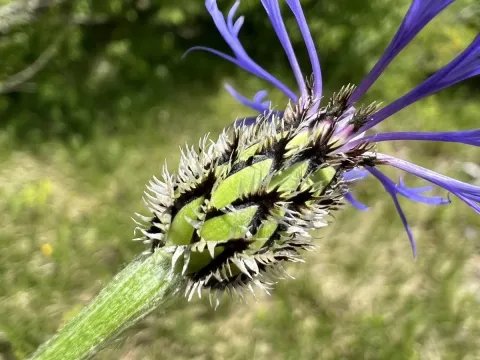
Tuberous cornflower
Cyanus tuberosus
Tuberous cornflower (Cyanus tuberosus) is a unique perennial plant within the Asteraceae family, distinguished by its tuberous root systems.
What the section contains
Tuberous cornflower
Propagation is typically achieved through seeds, which are best sown in late autumn or early spring into well-prepared, loose soil beds.
To improve germination rates, seeds often require a short period of cold stratification, simulating natural winter conditions to break seed dormancy.
The seeds should be planted at a shallow depth of approximately 1 to 2 centimeters to ensure they receive sufficient light and proper moisture.
Spacing should be managed to provide enough room for the plants to establish their tuberous roots, usually requiring at least 30 centimeters between individual plants.
This species thrives in sunny, open locations where it can receive maximum exposure to sunlight throughout the growing season.
Soil quality is paramount; the plant prefers well-draining, sandy or loamy soils with a neutral pH to prevent any root-related issues.
As a drought-tolerant plant, it is well-adapted to drier conditions, storing water and energy in its specialized tuberous structures.
Gardeners must avoid areas with high water tables or poor drainage, as excessive moisture leads to rapid decay of the root system.
Low to moderate fertility soils are preferred, as excessive fertilization often encourages vegetative growth at the expense of floral production.
Fungal diseases are the primary threat, especially in humid climates where poor air circulation leads to the development of mildew on the foliage.
Root rot represents the most significant danger to the longevity of the plant, often resulting from heavy, waterlogged soil conditions.
Aphids and spider mites are common pests that feed on the soft plant tissues, potentially weakening the plant and attracting secondary pathogens.
Effective management involves maintaining clear spacing between plants to enhance airflow and strictly monitoring soil moisture levels.
- Implement good soil drainage systems.
- Monitor for early signs of mildew infection.
- Apply targeted pest management during active growth.
Tuberous cornflower is primarily cultivated for its aesthetic appeal in wildflower meadows, garden borders, and as an excellent pollinator attractant.
For ornamental purposes, flower stems should be harvested when the buds are just beginning to open to ensure maximum vase life.
Seed harvesting should occur after the seed heads have turned brown, indicating that the seeds have reached full maturity for future planting.
The foliage is typically cut back after the first frost, allowing the plant to concentrate its resources into the tuberous roots for winter survival.
Whether used for landscaping or conservation, this species remains a resilient choice for diverse garden environments and restorative planting projects.