
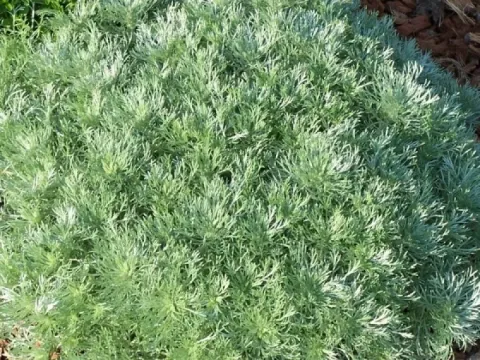
Schmidt's wormwood
Artemisia schmidtiana
Schmidt's wormwood is a perennial herbaceous plant belonging to the Asteraceae family, prized for its exceptionally fine, silver-colored foliage.
What the section contains
Schmidt's wormwood
Propagation is typically achieved through seeds sown in late winter or early spring in a greenhouse, or by dividing established clumps in the autumn.
When starting from seeds, ensure they are sown on the surface of a light substrate, as they require light for successful germination and growth.
Transplanting into the garden should be done only once the danger of late spring frost has passed and the soil has reached a stable temperature.
Proper spacing is crucial to ensure good airflow, which is essential for maintaining the health of the dense, mound-like structure of the plant.
This plant thrives in full sun, which is essential to maintain its vibrant silver coloration and to prevent the plant from becoming leggy or weak.
It demands well-draining, sandy or rocky soils and is highly adapted to low-fertility environments where other ornamental plants might struggle.
Water requirements are minimal; the plant is exceptionally drought-tolerant and should only be watered during prolonged periods of intense heat.
Excessive moisture, especially during winter, is fatal to Schmidt's wormwood, so avoid heavy clay soils that retain water for extended periods.
The plant is highly frost-hardy and does not require special winter protection, making it a reliable choice for gardens in various temperate climates.
The primary threat to this species is root rot caused by poor soil drainage and waterlogging, which often leads to the rapid decline of the plant.
Powdery mildew can occur if the plants are placed in areas with poor air circulation or excessive humidity during the summer months.
Pests are rarely an issue because of the strong aromatic oils present in the leaves, which act as a natural deterrent to most common insects.
Maintaining a clean, weed-free environment and pruning out any dead or damaged stems will significantly reduce the risk of disease infestation.
Proper site selection, focusing on light and drainage, remains the most effective way to prevent all major biological threats to this crop.
The primary utility of Schmidt's wormwood is in landscaping, where it serves as an excellent groundcover, border plant, or a feature in rock gardens.
Regular pruning throughout the growing season is necessary to encourage dense, fresh growth and to keep the plants looking neat and tidy.
At the end of the season, the foliage should be trimmed back to near ground level to stimulate vigorous new growth the following spring.
The harvested trimmings are often used by florists for decorative arrangements, as the silver foliage provides a beautiful contrast to other flowers.
In addition to ornamental use, the plant's root system helps stabilize dry soil, contributing to erosion control on gentle slopes and embankments.