
Tuberous Aetheorhiza
Aetheorhiza bulbosa
Description
Growing requirements
Tuberous Aetheorhiza (Aetheorhiza bulbosa) is a herbaceous perennial belonging to the Asteraceae family. It is distinct for its tuberous root system, which acts as a primary energy reserve and allows the plant to persist through seasonal environmental stresses.
The native distribution of this species is largely centered in the Mediterranean basin. It is frequently encountered in arable lands, vineyards, and roadsides, often thriving in habitats where there is minimal disturbance or specific climate conditions.
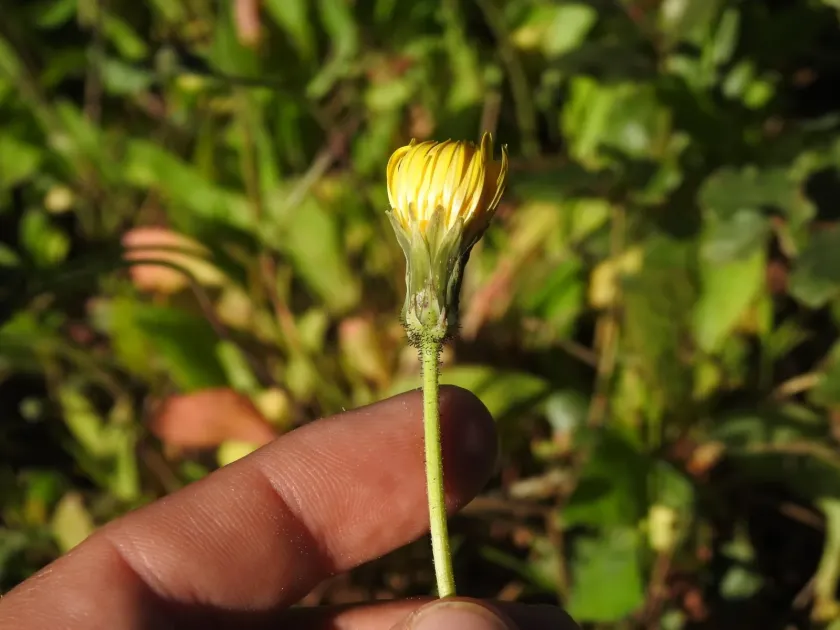
Botanically, the plant features a basal rosette of leaves and produces yellow flower heads typical of its family. The species demonstrates high levels of morphological variability depending on the specific environment and soil nutrient availability.
Optimal growth occurs in well-drained, porous soils that receive sufficient sunlight. It is sensitive to excessive waterlogging, which often induces root rot, significantly limiting its success in poorly drained agricultural clay soils.
In terms of agricultural management, its reproductive capacity via tubers makes it a formidable weed. Each tuber fragment has the potential to sprout, leading to rapid colonization of field patches if soil cultivation is not managed properly.
Main diseases and pests
Fungal pathogens represent the most significant threat to this species, particularly those causing foliar rusts and mildews during high-humidity periods. These infections can drastically reduce the plant's photosynthetic capacity.
Soil-dwelling insects, such as wireworms, pose a direct threat to the underground tubers. By feeding on the storage tissues, these pests provide entry points for pathogens and weaken the plant's overall structural integrity.
Chemical control strategies for Aetheorhiza bulbosa are complex due to the plant's resilience. The use of systemic herbicides is generally required to ensure the active ingredients reach the perennial storage organs effectively.
Preventative agronomic measures, including clean tillage and the selection of competitive crop varieties, are essential for mitigation. Keeping field machinery clean is also vital to prevent the spread of tubers between different plots.
Integrated weed management programs, combining crop rotation with mechanical suppression, provide the best results. This multifaceted approach is necessary to gradually exhaust the nutrient reserves within the subterranean tubers over several growing seasons.