
Adenostemma brasilianum
Adenostemma brasilianum
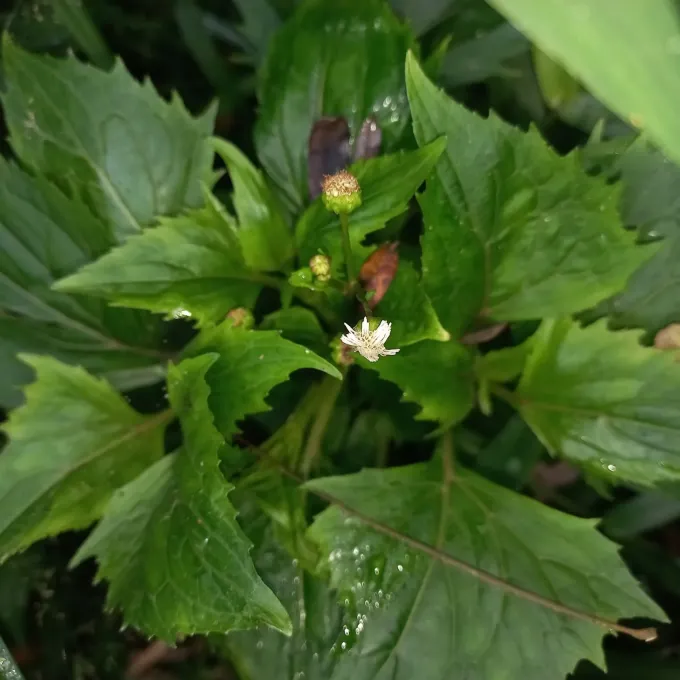
Description
Growing requirements
Adenostemma brasilianum is a distinct herbaceous perennial belonging to the Asteraceae family. Originating from the tropical landscapes of Brazil and surrounding South American regions, this plant thrives in environments characterized by high humidity and consistent warmth throughout the year.
Successful cultivation requires high-quality soil that is rich in organic matter and maintains excellent drainage. Agronomists emphasize that the plant struggles in compacted clay or waterlogged soils, as its root system is sensitive to prolonged anaerobic conditions that often lead to root rot.
Climate requirements for this species are strict, as it is a thermophilic crop. Maintaining an ambient temperature above 20 degrees Celsius is essential for optimal growth; even minor exposure to frost or cold drafts can significantly impair the physiological processes and vitality of the plant.
Botanically, the plant features erect stems and simple, opposite leaves that serve as a testament to its adaptation to rainforest understories. The flowers are arranged in small capitula, a hallmark of the Asteraceae family, producing a unique display that facilitates pollination in its native habitat.
In terms of practical application, the species is explored for its potential in producing secondary metabolites with medicinal properties. There is ongoing research into its essential oils and secondary compounds, which might offer benefits in developing natural pharmaceutical formulations and skincare products.
Main diseases and pests
The primary threats to Adenostemma brasilianum in greenhouse environments are moisture-related pathogens. Fungal infections, particularly damping-off in seedlings and gray mold, can spread rapidly if ventilation is poor and humidity levels are not strictly managed by the cultivation team.
Pest management should focus on common greenhouse visitors such as whiteflies and mites. These insects feed on the tender foliage and sap, causing significant yield losses if not controlled early. Integrated Pest Management (IPM) practices, such as introducing predatory mites or using insecticidal soaps, are highly recommended.