
Adenostemma viscosum
Adenostemma viscosum
Description
Growing requirements
Adenostemma viscosum is a herbaceous plant belonging to the Asteraceae family. It is natively found in tropical regions across the globe, thriving primarily in humid environments such as riverbanks, shaded forests, and low-lying damp terrains.
The plant requires a stable, warm climate for optimal growth, as it is highly sensitive to frost and cold stress. In agricultural settings, it demands consistently moist soil conditions to maintain its physiological processes and growth rate throughout the season.
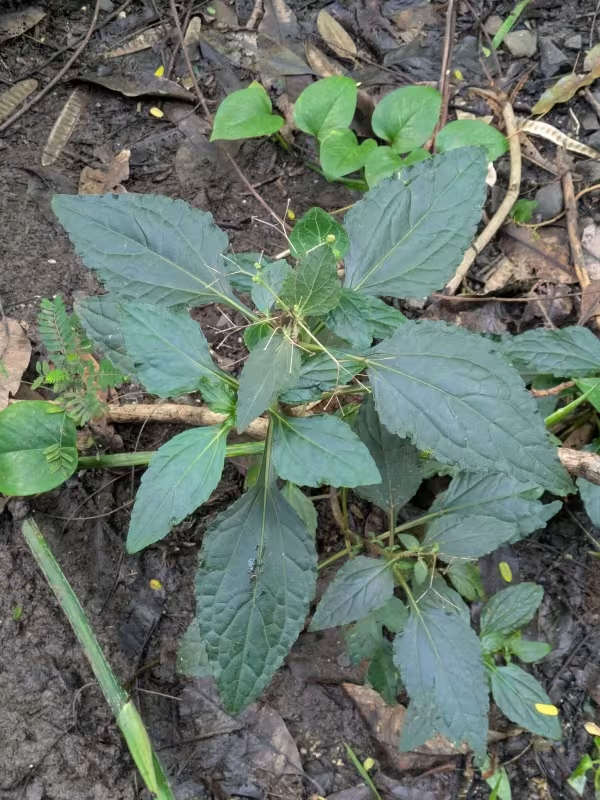
Botanically, it is characterized by sticky, glandular hairs covering its foliage, which is the origin of its specific name viscosum. This feature acts as a protective barrier and is a key identification trait for the species in the field.
Regarding soil management, it prefers nutrient-rich organic substrates with high water-holding capacity. Proper irrigation scheduling is critical; fluctuating water levels can cause significant developmental stress to the plant.
Cultivation of this species is largely driven by its potential use in traditional pharmacopeia. As global interest in sustainable botanical products grows, refining the agronomic techniques for this crop becomes increasingly relevant.
Main diseases and pests
The primary agricultural threats to Adenostemma viscosum include fungal infections such as root rot and powdery mildew. These diseases are significantly exacerbated in poorly ventilated areas or locations with high humidity and stagnant water.
Pest management focuses on controlling sap-sucking insects like aphids and mites. These pests not only damage the plant tissues but can also act as vectors for viral diseases, which are often fatal to young plants.
Sanitation of the growing environment is a key preventative measure. Removing weeds and dead plant debris significantly reduces the population pressure of potential disease carriers near the crop.
Integrated pest management (IPM) strategies, including the use of beneficial predatory mites, are recommended over broad-spectrum chemical pesticides to ensure the quality of the plant material.
Continuous monitoring of the lower leaf surfaces is essential for early detection of infestations. Timely intervention prevents the rapid colonization of pests across the entire plantation area.