
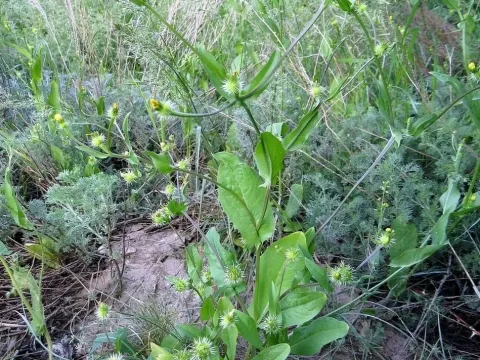
Acanthocephalus
Acanthocephalus
Acanthocephalus is a genus within the Asteraceae family, typically characterized by its adaptation to arid and semi-arid environments. In agricultural contexts, this crop is valued for its hardiness and potential in low-input farming systems.
What the section contains

Acanthocephalus
Sowing should be performed in early spring to utilize seasonal soil moisture. Seeds are small and require a shallow planting depth of approximately 1 to 2 centimeters to ensure successful emergence in varied soil conditions.
Row planting is recommended to facilitate mechanical weeding and ensure optimal spacing. Proper plant density is essential to minimize intraspecific competition for nutrients and moisture during the rapid growth phase.
The germination period requires moderate temperatures between 10 and 15 degrees Celsius. Ensuring the seedbed is well-prepared and free of surface crusts is vital for achieving a uniform stand.
Since the vegetative cycle is relatively short, early sowing allows the crop to avoid the extreme heat often associated with summer, which can adversely affect reproductive development.
Acanthocephalus thrives in well-drained, sandy, or light loam soils. Its root system is adapted to penetrate compacted layers, making it suitable for regions with challenging soil structures, provided there is no waterlogging.
The crop is highly drought-tolerant once established, requiring full sun exposure to maximize development. It can withstand significant temperature fluctuations, which are typical of its natural range.
Soil pH should ideally be neutral to slightly alkaline. While the plant can tolerate salinity, extreme levels may affect biomass production, so soil testing is advisable before planting.
Minimal fertilization is generally sufficient. Excessive nitrogen application should be avoided as it may lead to vegetative overgrowth at the expense of root development and stress resilience.
Routine cultivation for weed control is the primary management practice. Keeping the soil surface loose helps conserve soil moisture and improves oxygen exchange, which is critical for healthy plant development.
Root rot, triggered by prolonged moisture during the early growth stages, represents the most significant pathological threat to Acanthocephalus. Proper drainage management is the best defense against this issue.
Insect pests, such as aphids, can cause significant damage by feeding on young foliage and inflorescences. Scouting for early signs of infestation is crucial to prevent rapid population growth on the crops.
Competition from weeds is particularly intense during the first weeks after germination. If not managed through timely cultivation or selective hoeing, weeds can quickly overwhelm the young plants.
Fungal diseases like powdery mildew can appear if humidity levels rise within the canopy, typically caused by high planting density. Proper spacing is necessary to ensure adequate airflow between plants.
Integrated pest management strategies are recommended over heavy chemical reliance. Using crop rotation and ensuring optimal soil conditions are the most effective ways to maintain the health of the planting.
Harvesting should be timed to match the crop's physiological maturity, specifically when the inflorescences show signs of seed formation. Monitoring the moisture content of the plant is vital for safe storage.
Mechanical harvesting is preferred for larger areas, though precision adjustments are required to handle the delicate seeds. Ensuring equipment is properly calibrated prevents seed shattering and loss.
After harvest, the plant material should be dried in well-ventilated areas to prevent mold growth. Moisture levels during storage must be kept low to maintain the viability of the harvested components.
Post-harvest processing involves cleaning and grading to remove impurities. Given the biology of the Asteraceae family, separation of seeds requires specific screen sizes to ensure high quality and purity.
Proper storage in cool, dry conditions is essential for preserving the agricultural value of the harvest, whether it is intended for seed production, medicinal use, or other industrial applications.