
Polyscias scutellaria
Polyscias scutellaria (Burm. f.) Fosberg
Description
Growing requirements
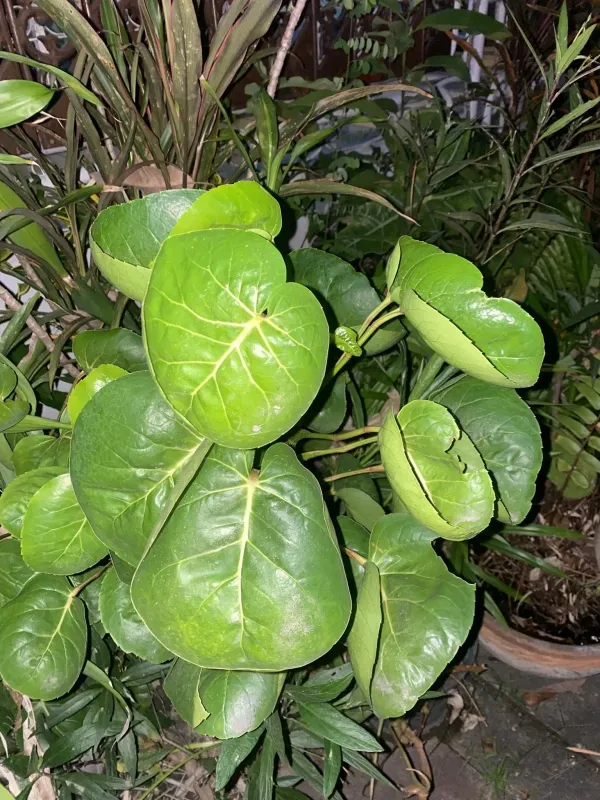
Polyscias scutellaria is a prominent member of the Araliaceae family, native to the tropical regions of Southeast Asia and the Pacific Islands. It is valued primarily for its unique shield-shaped foliage and is often cultivated as an ornamental plant or a hedge.
The plant requires well-draining, nutrient-rich soil with a slightly acidic to neutral pH. Proper soil structure is essential to prevent root rot, which is the most common cause of failure in Polyscias production. Consistent moisture levels are required during the growing season.
Regarding climate, the plant thrives in tropical conditions with stable temperatures between 18°C and 25°C. High humidity is a critical factor for successful growth; without it, the plant may drop leaves and exhibit stunted development.
Light requirements involve bright, indirect sunlight to maintain leaf variegation and overall health. Direct exposure to intense sun should be avoided to prevent foliar burns. In greenhouse settings, light filtering is recommended to maintain optimal conditions.
The biological cycle of Polyscias scutellaria is characterized by steady vegetative growth. Regular pruning is a recommended agricultural practice to encourage bushier growth and maintain the desired aesthetic shape of the shrub.
Main diseases and pests
Scale insects represent a major threat to Polyscias, attaching to stems and undersides of leaves to sap nutrients. Early detection and mechanical removal followed by insecticidal soap application are effective management practices.
Spider mites are prevalent in environments with insufficient humidity. These pests can rapidly damage the foliage, leading to chlorosis and leaf fall. Increasing ambient humidity is the most effective preventative measure.
Root rot, primarily caused by Pythium or Phytophthora species, occurs when soil remains excessively wet. Ensuring proper drainage and moderate irrigation cycles are the best defense against these pathogens.
Mealybugs can cluster in leaf axils, creating white waxy deposits. Targeted application of horticultural oils or systemic pesticides is typically necessary for severe infestations in commercial or nursery production.
Preventative management includes maintaining clean growing environments, frequent inspection of plant material, and ensuring adequate air circulation to prevent the onset of fungal diseases.