
Plerandra pickeringii
Plerandra pickeringii
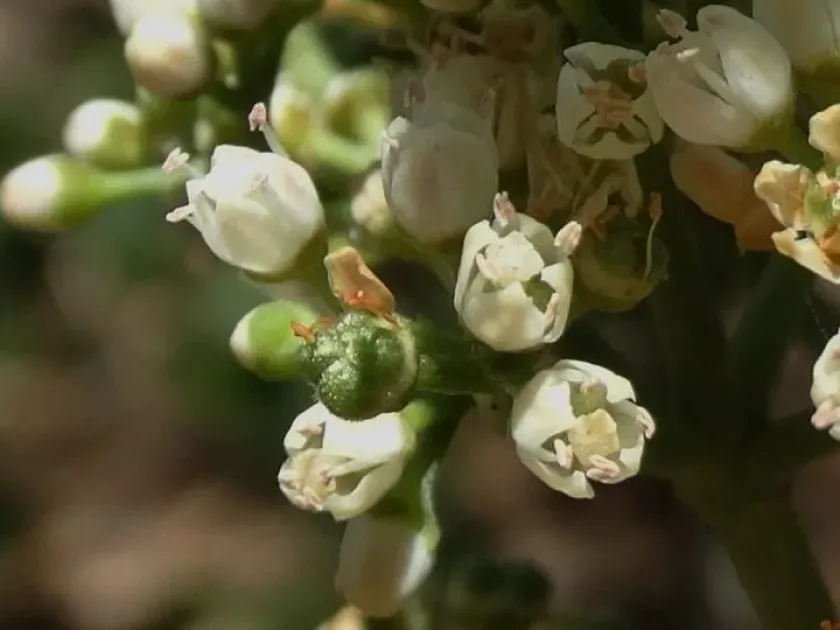
Description
Growing requirements
Plerandra pickeringii belongs to the Araliaceae family and is native to the lush tropical forests of the Fiji Islands. This evergreen species is known for its architectural form and thrives in the understory of dense forest ecosystems.
Optimal growth requires a consistent tropical climate with high humidity levels throughout the year. The species is highly sensitive to extreme temperature fluctuations and must be shielded from any exposure to frost or cold drafts.
Soil requirements focus on well-draining, nutrient-rich substrates composed of organic matter. The pH level should ideally be slightly acidic, mirroring the natural forest floor conditions from which the plant originates.
Light management is crucial, as the plant prefers bright, filtered sunlight. Direct exposure to intense rays can cause leaf scorching, while deep shade may lead to stunted growth and loss of the characteristic foliage coloration.
Agricultural use of Plerandra pickeringii is primarily focused on landscape restoration and ornamental forestry. Its unique leaf structure makes it a highly desirable candidate for tropical garden designs and botanical collections.
Main diseases and pests
The most significant threat to the health of this species is root rot, typically caused by waterlogged soil and poor drainage. Providing adequate aeration for the root system is essential to prevent fungal colonization.
Insect pests such as scale insects and spider mites pose a constant challenge, particularly in indoor or controlled greenhouse environments. These pests thrive in dry air conditions and require vigilant monitoring to control.
Mealybugs can also infest the plant, causing foliage yellowing and potentially spreading viral infections. Integrated pest management, including the use of horticultural oils, is often recommended for effective control.
Nutrient deficiency may occur if the soil substrate is not refreshed regularly or if the fertilizer balance is inappropriate for a tropical species. Regular testing of the soil's nutrient composition ensures sustained vitality.
Preventive maintenance involves removing any dead or decaying plant material to minimize the risk of pathogen accumulation. A well-ventilated space helps keep the plant robust and resistant to opportunistic infections.