
Plerandra elegantissima
Plerandra elegantissima
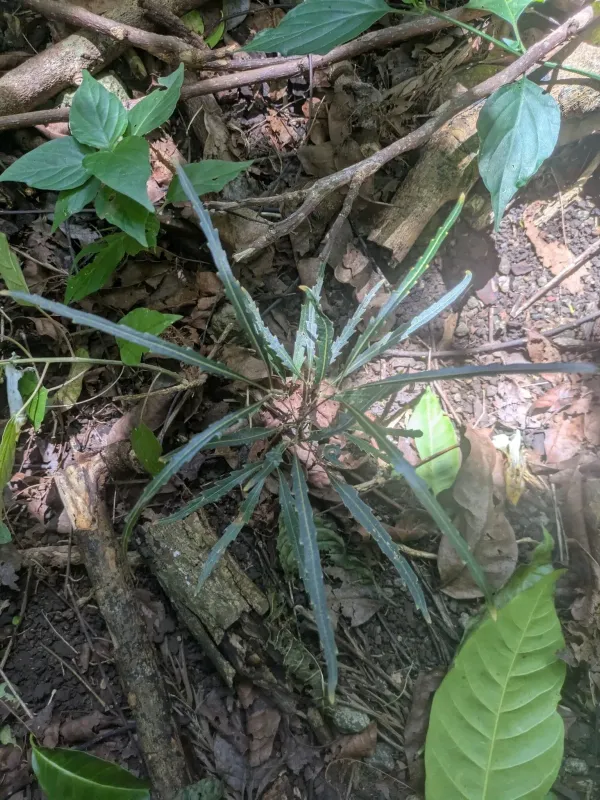
Description
Growing requirements
Plerandra elegantissima, formerly known as Dizygotheca elegantissima, belongs to the Araliaceae family. Native to the tropical environments of New Caledonia, this species is highly valued for its intricate, finger-like foliage.
The plant thrives in warm tropical conditions. The ideal temperature range for active growth is between 18°C and 25°C. Exposure to temperatures below 15°C for extended periods can cause leaf drop and stress.
Lighting requirements are specific: the plant prefers bright, indirect light. While it can adapt to lower light levels, excessive shade often results in sparse foliage, whereas direct sunlight causes unsightly scorching of the leaves.
A well-draining, nutrient-rich potting medium is essential. A mixture of peat moss, perlite, and high-quality potting soil ensures that the roots receive sufficient oxygen while retaining necessary moisture.
Humidity is the most critical factor in the plant's environment. Plerandra elegantissima requires a consistently humid atmosphere, which is best maintained through regular misting or the use of humidifiers in climate-controlled areas.
Main diseases and pests
Spider mites are the most common pest affecting Plerandra. They thrive in dry indoor conditions and typically inhabit the undersides of leaves, causing yellowing and webbing that significantly impacts plant health.
Scale insects pose a significant threat by attaching themselves to the stems and leaf veins. These pests drain sap from the plant, often leading to stunted growth if not treated with appropriate horticultural oils or systemic insecticides.
Root rot is the most devastating ailment, usually triggered by poor drainage or overwatering. Once root tissues become waterlogged and decay, the plant is often difficult to save without immediate repotting.
Fungal leaf spots can occur when foliage remains wet for extended periods in environments with poor air circulation. Proper spacing between plants and ensuring good ventilation are key preventative measures.
Mealybugs are another potential nuisance. These pests appear as white, cotton-like masses in leaf axils. Early detection and treatment with insecticidal soap or neem oil are effective in preventing large-scale infestations.