
Xanthosoma helleborifolium
Xanthosoma helleborifolium
Description
Growing requirements
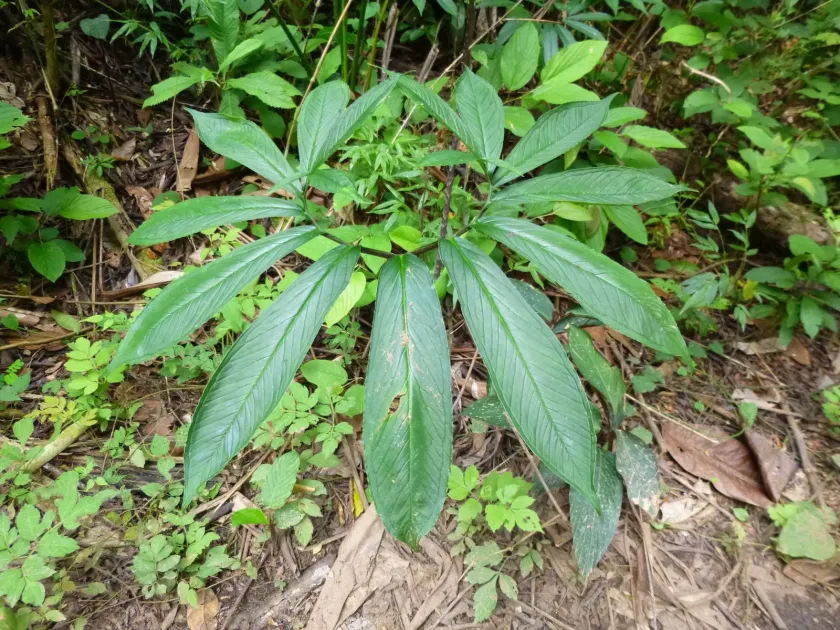
Xanthosoma helleborifolium is a perennial herbaceous plant belonging to the Araceae family. Known for its distinctively lobed leaves that resemble hellebore foliage, this plant is a notable member of the Xanthosoma genus, which is widely recognized for its edible tuberous roots.
The species originates from the tropical rainforests of Central and South America. It thrives in humid environments under the canopy, where it benefits from high levels of organic matter and protection from the direct, harsh intensity of tropical sunlight.
Cultivation requires specific climatic conditions, with an ideal temperature range between 22°C and 30°C. The plant is highly sensitive to frost and cool temperatures, which can severely stunt its growth or cause the complete collapse of the plant structure.
Soil requirements focus on high permeability and moisture retention. A well-drained, nutrient-rich soil with a slightly acidic to neutral pH is essential to prevent root rot, which is the most significant physiological disorder in Xanthosoma farming.
Agrotechnical practices involve providing consistent moisture and semi-shaded conditions. In field cultivation, intercropping or the use of shade cloth is often employed to mimic the natural environment, ensuring that the photosynthetic efficiency remains high while protecting the foliage from heat stress.
Yield
The crop is primarily valued for its starchy corms and rhizomes, which are harvested for human consumption. It serves as a vital staple food in various tropical regions, providing a reliable source of energy and essential carbohydrates.
In addition to the tubers, the tender young leaves and petioles are harvested as leafy vegetables. Proper culinary processing, such as boiling or steaming, is mandatory to break down the calcium oxalate crystals present in the plant tissue, making it safe and palatable for consumption.
Main diseases and pests
Pathogenic threats are mainly associated with soil-borne fungi that thrive in waterlogged conditions. Preventing water accumulation around the rhizomes is a key strategy for maintaining plant health and achieving high marketable yields during the harvest season.
Pest management focuses on common tropical insect problems, including aphids, mealybugs, and spider mites. Integrated pest management (IPM) strategies, involving regular crop inspection and the use of natural predators, are recommended to maintain sustainability and minimize chemical inputs.