
Xanthosoma atrovirens
Xanthosoma atrovirens
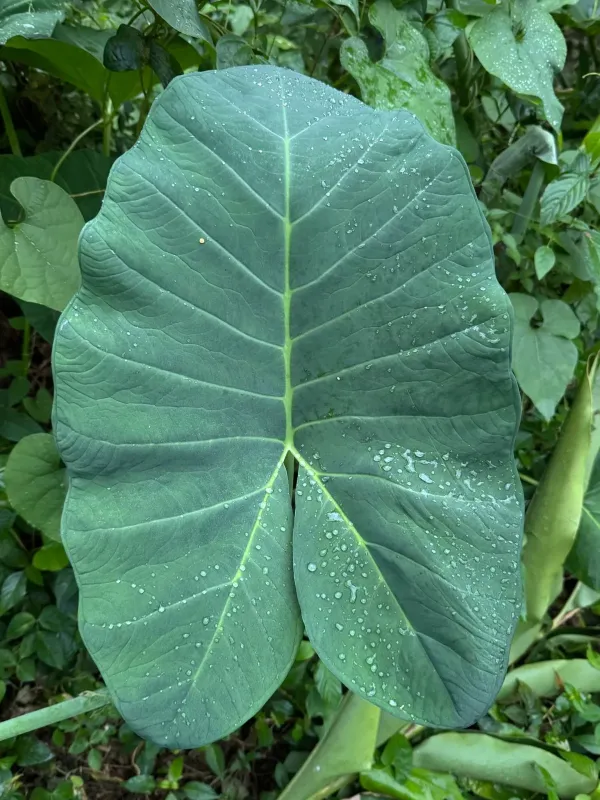
Description
Growing requirements
Xanthosoma atrovirens is a perennial herbaceous plant belonging to the Araceae family. It is primarily cultivated in tropical regions for its edible, starch-rich tuberous roots, which serve as a staple food source.
The plant thrives in warm, tropical climates, requiring consistent temperatures between +22°C and +30°C. It is highly susceptible to cold and frost, which can severely damage or destroy the plant's aerial parts.
Cultivation requires deep, well-drained, and nutrient-rich soils. A soil pH ranging from slightly acidic to neutral is considered ideal for optimizing nutrient uptake and root development.
Water management is critical for this species. It demands high levels of soil moisture and atmospheric humidity; therefore, irrigation is necessary in regions with distinct dry seasons to prevent stunted growth.
While the plant is tolerant of partial shade, it requires filtered light for maximum photosynthesis. Excessive direct sunlight can cause scorching of the large, lush leaves, particularly in younger plants.
Yield
The primary economic value of Xanthosoma atrovirens lies in its starchy corms. These are harvested and processed into various food products, valued for their nutritional density and energy content.
In addition to the subterranean corms, the young leaves and petioles are also edible after thorough cooking, which neutralizes calcium oxalate crystals present in the raw tissues.
Crop yields are highly dependent on soil fertility and irrigation management. Under ideal agricultural conditions, the crop can be quite productive, providing a significant harvest after a growing cycle of 9 to 12 months.
Proper harvest techniques involve carefully digging up the corms without damaging them to ensure long-term storage quality. High-quality harvests are characterized by firm, disease-free tubers.
Post-harvest practices focus on drying the produce and storing it in a cool, well-ventilated area to minimize decay and maintain the structural integrity of the starch.
Main diseases and pests
The most significant threats to Xanthosoma atrovirens include various fungal and bacterial rot diseases. These are often triggered by waterlogged soil conditions, which create an environment conducive to pathogen growth.
Pests such as root-knot nematodes and various aphids present ongoing challenges. Aphids, in particular, are problematic as they often act as vectors for viral infections that can weaken the entire plant stand.
Effective management requires the selection of disease-free planting material, often consisting of corm segments or offsets. Maintaining good field hygiene and removing infected debris is essential for disease prevention.
Weed control is vital, as excessive competition for nutrients and water significantly reduces plant vigor and overall yield. Regular manual or mechanical weeding is recommended during the early stages of establishment.
Crop rotation strategies should be implemented to reduce the buildup of soil-borne pathogens and pests, thereby improving the sustainability of the agricultural system.