
Xanthosoma brasiliense
Xanthosoma brasiliense
Description
Sowing dates
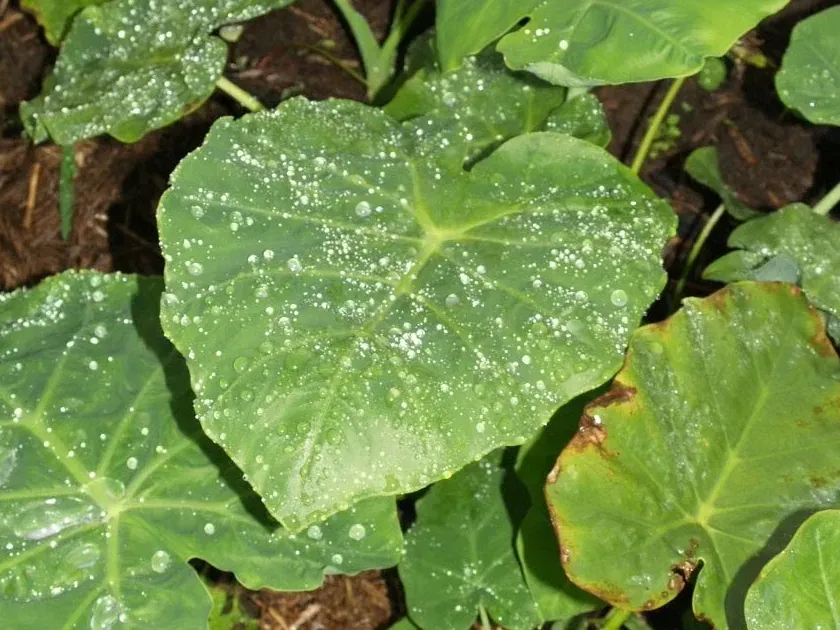
Xanthosoma brasiliense is a perennial herbaceous plant belonging to the Araceae family. Unlike many other Xanthosoma species grown for their corms, this specific type is valued as a leafy green vegetable.
Propagation of this crop in agricultural settings is carried out vegetatively by dividing rhizomes or using the offshoots that develop at the base of the mother plant.
The ideal time to establish new plantations is at the onset of the rainy season, as this provides the necessary soil moisture for the rapid establishment of young plantings.
Planting density is typically spaced at 40 to 50 centimeters between plants, which ensures adequate space for foliage expansion and sufficient air circulation between the rows.
The plant demonstrates vigorous growth shortly after planting, allowing farmers to begin harvesting the foliage within a relatively short timeframe under optimal conditions.
Growing requirements
This crop thrives in tropical climates with high humidity and consistent temperatures, ideally ranging between +20 and +30 degrees Celsius throughout the growing cycle.
It requires well-drained, fertile soil rich in organic matter. A slightly acidic to neutral pH level is preferred for optimal nutrient uptake and general plant health.
Consistent irrigation is vital, as the crop is sensitive to drought and dry soil conditions; moisture stress can lead to stunted growth and reduced leaf quality.
While tolerant of low light levels, the plant performs best in partial shade or dappled sunlight, which protects the delicate leaves from high-temperature sunscald.
Regular nitrogen-rich fertilization is essential in modern agronomy to promote rapid leaf development, as the leaves are the primary commercial product of this plant.
Yield
The yield of Xanthosoma brasiliense depends significantly on harvest frequency; frequent trimming of leaves stimulates the plant to produce new growth continuously.
The first commercial harvest of leaves can be expected 3 to 4 months after planting, once the plant has developed a healthy, robust foliage system.
With diligent care and appropriate fertilization, a single plantation can remain productive for several years, providing a steady supply of greens for the market.
The plant is used primarily as a leafy vegetable, with both the leaves and petioles being consumed after thorough cooking in various traditional culinary dishes.
Proper heat treatment is necessary to break down calcium oxalate crystals found in the plant tissues, ensuring the product is safe and palatable for human consumption.
Main diseases and pests
Fungal diseases, particularly those affecting the roots and the base of the stems, represent the most significant threat when soil drainage is poor or humidity is excessive.
Pests such as caterpillars and aphids can cause substantial damage to the tender foliage, necessitating regular monitoring and integrated pest management strategies.
Poor airflow within dense plantings can encourage the development of bacterial rot or powdery mildew, especially in environments with high levels of atmospheric humidity.
Using disease-free planting material and practicing proper crop rotation are essential practices to minimize the buildup of soil-borne pathogens common to Araceae.
Biological control agents are often preferred in the production of this leaf vegetable to maintain high food safety standards and reduce chemical residues.
Harvesting
Harvesting is performed manually by carefully cutting the most developed leaves at the base, taking care not to damage the central apical meristem of the plant.
It is best to harvest during the cooler parts of the day, such as early morning or late afternoon, to minimize moisture loss and preserve the turgor of the leaves.
The harvested produce is highly perishable and should be cooled or moved to market quickly to prevent wilting and maintain its nutritional profile.
For transportation, the use of perforated containers is recommended to ensure adequate ventilation and prevent the foliage from heating up during storage.
Storage at approximately +10 degrees Celsius, combined with high humidity, allows the leaves to remain fresh and salable for several days post-harvest.