
Heart-leaf Alexanders
Zizia cordata
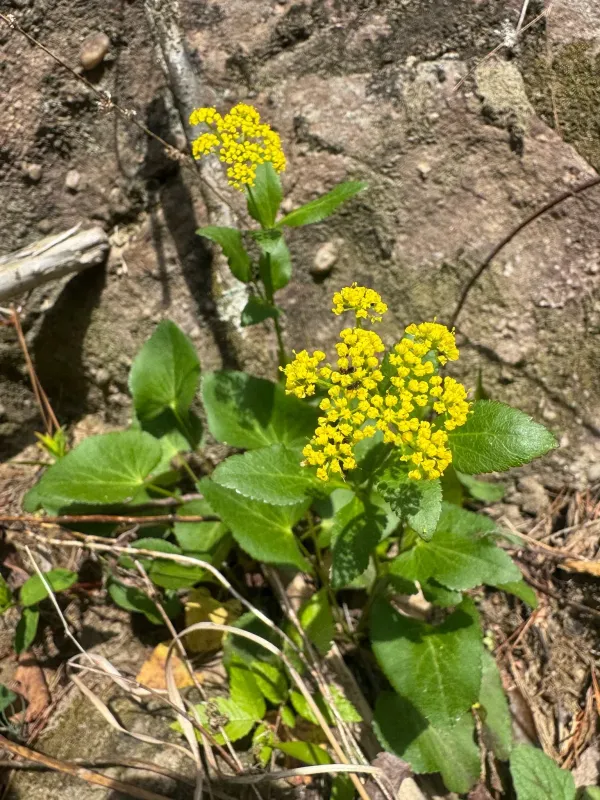
Description
Sowing dates
Seeds of Zizia cordata, also known as Heart-leaf Alexanders, should ideally be sown in late autumn. Natural stratification during the winter months is essential for breaking seed dormancy and ensuring uniform germination when spring temperatures rise.
If spring sowing is necessary, cold stratification is required. Keep the seeds in a moist medium at temperatures between 2 and 5 degrees Celsius for at least two months before planting them into the soil to trigger the physiological changes needed for growth.
Plant the seeds at a shallow depth, approximately 0.5 to 1 centimeter. Covering them too deeply can prevent the seedlings from reaching the surface, as the energy stored within the seed is limited.
Maintain proper spacing when sowing to facilitate airflow and resource management. A distance of 30 to 45 centimeters between plants is recommended, allowing for sufficient root development and minimizing competition for nutrients.
Ensure the soil remains consistently moist during the germination process. Using a light mulch or a row cover can help prevent the top layer of the soil from drying out, which is a common cause of failure in early-stage crop establishment.
Growing requirements
Zizia cordata is a member of the Apiaceae family, a group known for its ecological and agricultural significance. It is a hardy perennial native to North America, often found in prairies and open woodlands.
This species performs best in sites with partial shade to full sun. While it can tolerate bright light, it appreciates adequate soil moisture to prevent heat stress and wilting during the peak of summer, especially in warmer climates.
The plant thrives in fertile, well-draining soils with a neutral or slightly acidic pH. Avoiding sites prone to waterlogging is crucial, as the root system is sensitive to prolonged anaerobic conditions, which may lead to rot.
Temperature tolerance is high, as the plant is well-adapted to the temperate climates of the Northern Hemisphere. It enters a period of dormancy during winter and regrows vigorously from its established rootstocks once temperatures improve.
Regular maintenance involves keeping the area free of invasive weeds during the first year of growth. Once the plant is established, it becomes more competitive, but light annual weeding is still beneficial for maintaining maximum productivity.
Main diseases and pests
Aphids are the primary insect pests affecting Zizia cordata. These small insects congregate on the undersides of leaves and on developing flower stalks, draining sap and potentially acting as vectors for plant viruses.
Root damage from soil-dwelling larvae, such as wireworms, can occasionally occur, particularly if the crop is established on land that was previously under permanent grassland. Proper soil preparation is the best preventative measure.
Powdery mildew is a frequent fungal problem in damp or stagnant conditions. Providing adequate space between plants and avoiding overhead watering in the late afternoon can significantly reduce the risk of this disease.
Rust diseases can also affect the foliage, typically appearing as orange or brown spots on leaves. If these are spotted early, infected leaves should be pruned and disposed of to prevent the spread of fungal spores.
To ensure plant health, utilize a balanced approach to pest management, favoring natural predators or organic-approved treatments. Monitoring the crop regularly allows for early intervention, protecting both the yield and the longevity of the perennial stand.