
Golden zizia
Zizia aurea
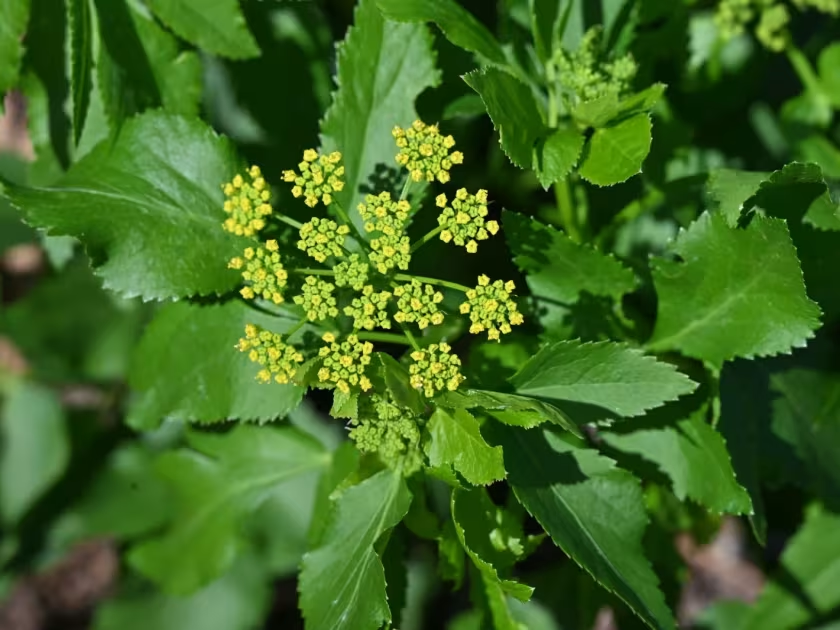
Description
Sowing dates
Golden zizia seeds require a period of cold stratification to break dormancy; therefore, fall sowing is the most reliable method for successful germination.
If sowing in the spring, place seeds in a moist medium in the refrigerator for at least 60 days to simulate winter conditions before planting them outdoors.
Sow seeds shallowly, covering them with no more than 1/4 inch of soil, as light is beneficial for the emergence of the seedlings.
When starting indoors, use a well-draining seed-starting mix and maintain consistent moisture until the seedlings develop their first set of true leaves.
Transplanting into the garden should be done when the soil has warmed up, spacing plants about 12 to 15 inches apart to allow for proper airflow.
Growing requirements
Zizia aurea belongs to the Apiaceae (carrot) family and is widely recognized for its vibrant yellow compound umbels that bloom in late spring and early summer.
Native to North America, this plant is naturally found in rich, moist meadows, woodland edges, and areas with stable groundwater levels.
The ideal soil for this species is nutrient-rich and loamy, with a neutral to slightly acidic pH, ensuring that the roots remain cool and moist throughout the season.
While tolerant of various light conditions, golden zizia thrives best in full sun to partial shade, where the intensity of light promotes denser flowering.
This perennial is remarkably hardy and resilient, capable of handling significant temperature fluctuations without requiring protection during harsh winter months.
Main diseases and pests
Common health issues often stem from poor drainage, which may predispose the plant to various soil-borne pathogens and root rot in heavy, waterlogged clay.
Powdery mildew is a typical fungal disease affecting the foliage, especially in stagnant or overcrowded planting areas with high humidity levels.
Aphids can be significant pests, particularly during the early bloom phase, as they cluster on the succulent stems and developing flower buds to feed on sap.
Leaf miners might create tunnels within the leaves, which, while usually not fatal, can detract from the aesthetic quality of the plant's decorative foliage.
Integrated pest management, including physical removal of infested leaves and keeping the base of the plant clear of debris, helps in maintaining plant health.