
Tordylium aegyptiacum
Tordylium aegyptiacum
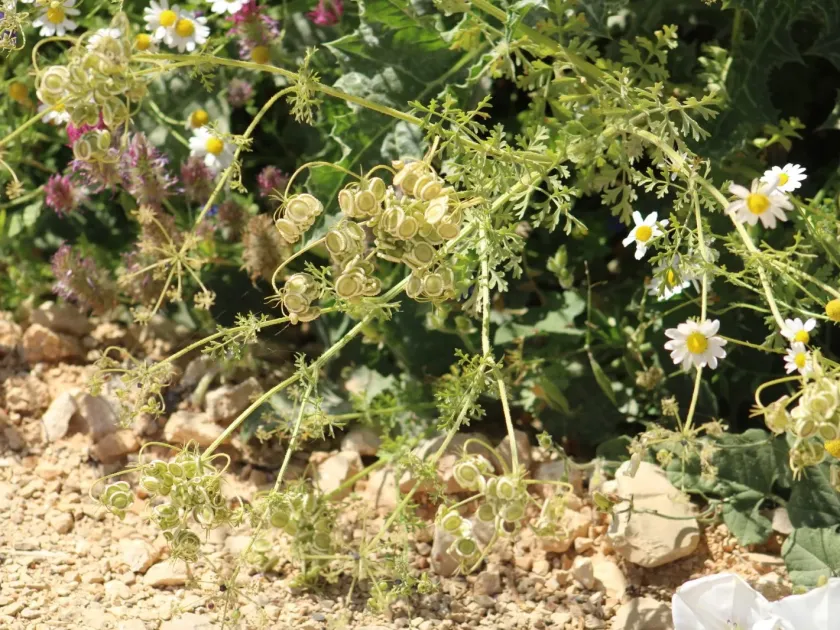
Description
Growing requirements
Tordylium aegyptiacum is a member of the Apiaceae (Umbelliferae) family. It is an annual herbaceous plant native to the arid and semi-arid regions of North Africa and the Eastern Mediterranean.
The plant thrives in well-drained, sandy or loamy soils. It demonstrates a significant preference for sunny, open habitats where it can maximize its photosynthetic efficiency during the relatively short growing season.
Regarding climate, this species is highly adapted to high temperatures and low rainfall, making it a potentially resilient crop for semi-desert farming systems if managed correctly.
Standard agronomic practices involve minimal soil disturbance to preserve the soil structure, coupled with adequate spacing to ensure sufficient airflow between individual plants, which reduces the risk of moisture retention.
The economic value of this crop is primarily focused on its essential oil profile and potential secondary metabolites, which are of interest for both pharmacological research and specialized industrial applications.
Main diseases and pests
Typical threats include infestation by aphids and various species of lepidopteran larvae that target the flowering stems and developing seeds, significantly reducing harvest viability.
Fungal pathogens such as powdery mildew represent a major risk when humidity levels fluctuate unexpectedly, particularly if the crop density is too high to allow for proper evaporation.
Integrated Pest Management (IPM) is crucial for maintaining a healthy crop. This includes utilizing natural predators such as ladybugs and parasitic wasps to keep aphid populations below the economic injury level.
Prevention of soil-borne diseases is achieved through strict crop rotation protocols, ensuring that Tordylium is not grown in succession with other closely related Apiaceae species.
Timely identification of leaf discoloration or wilting is essential for prompt intervention, as the rapid spread of viral or fungal infections can decimate an entire field within a short period.